Three Nights in Predator-Free Paradise: Wildlife, Restoration and Remarkable Encounters on Tiritiri Matangi Island
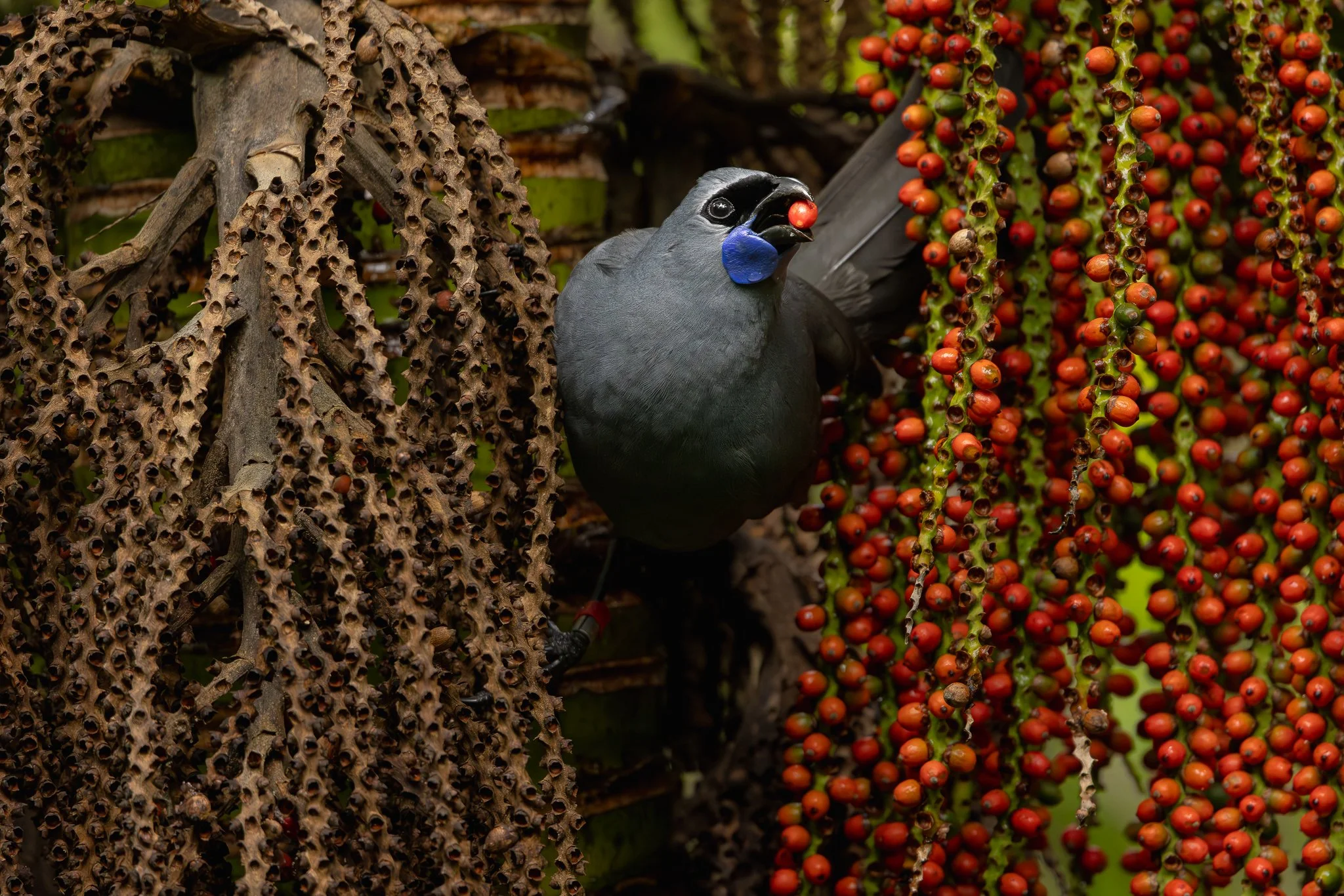
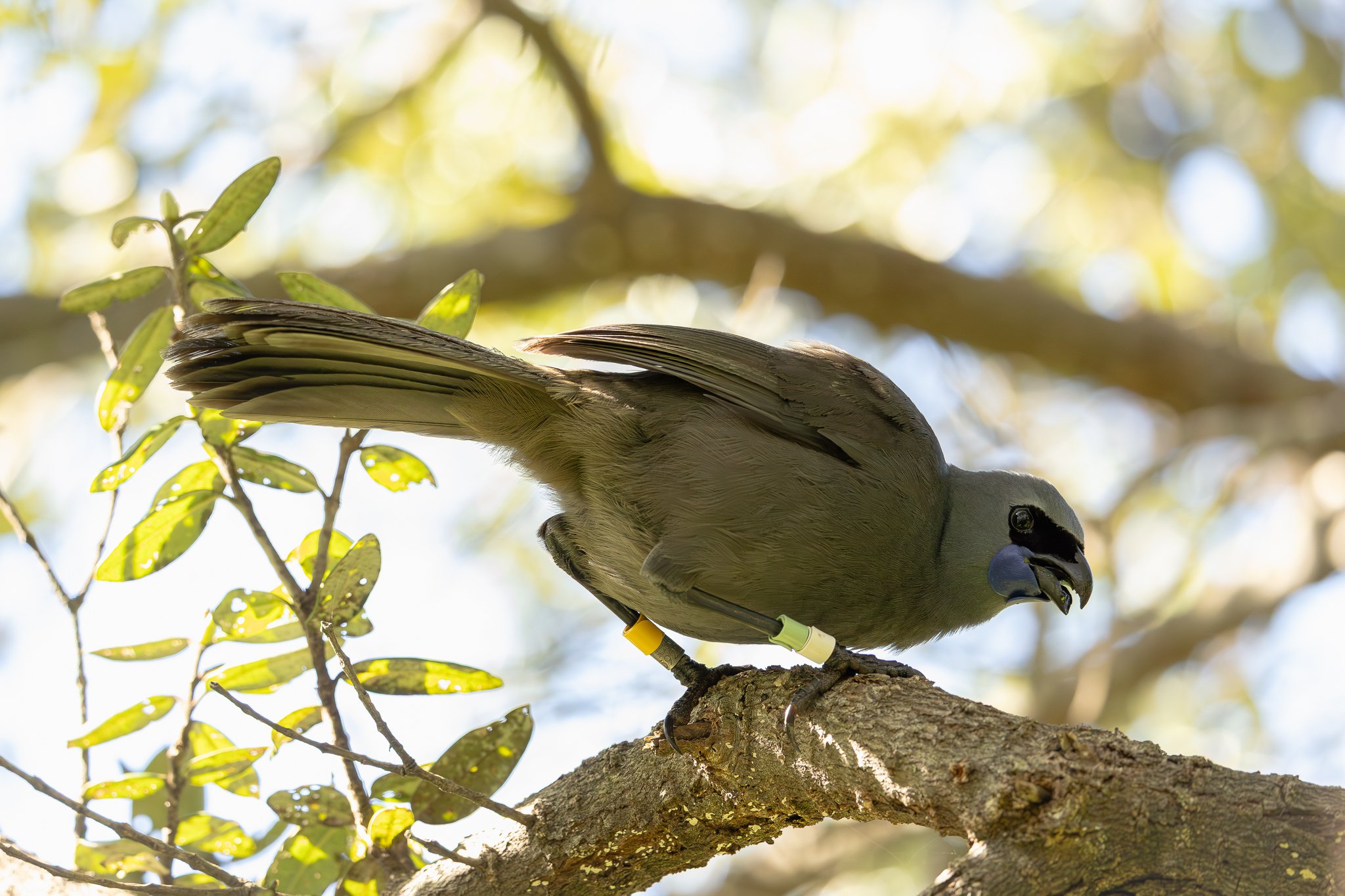
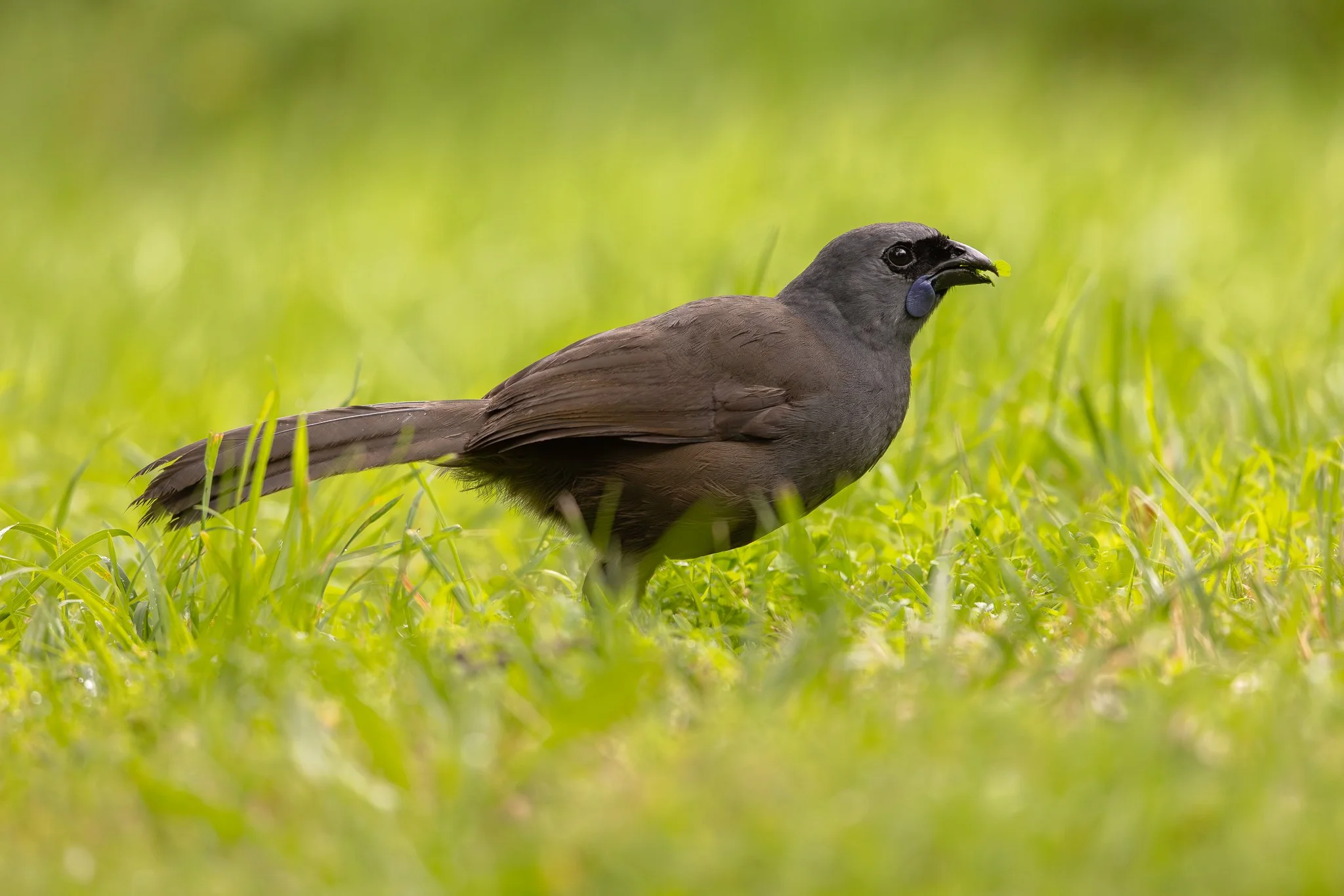
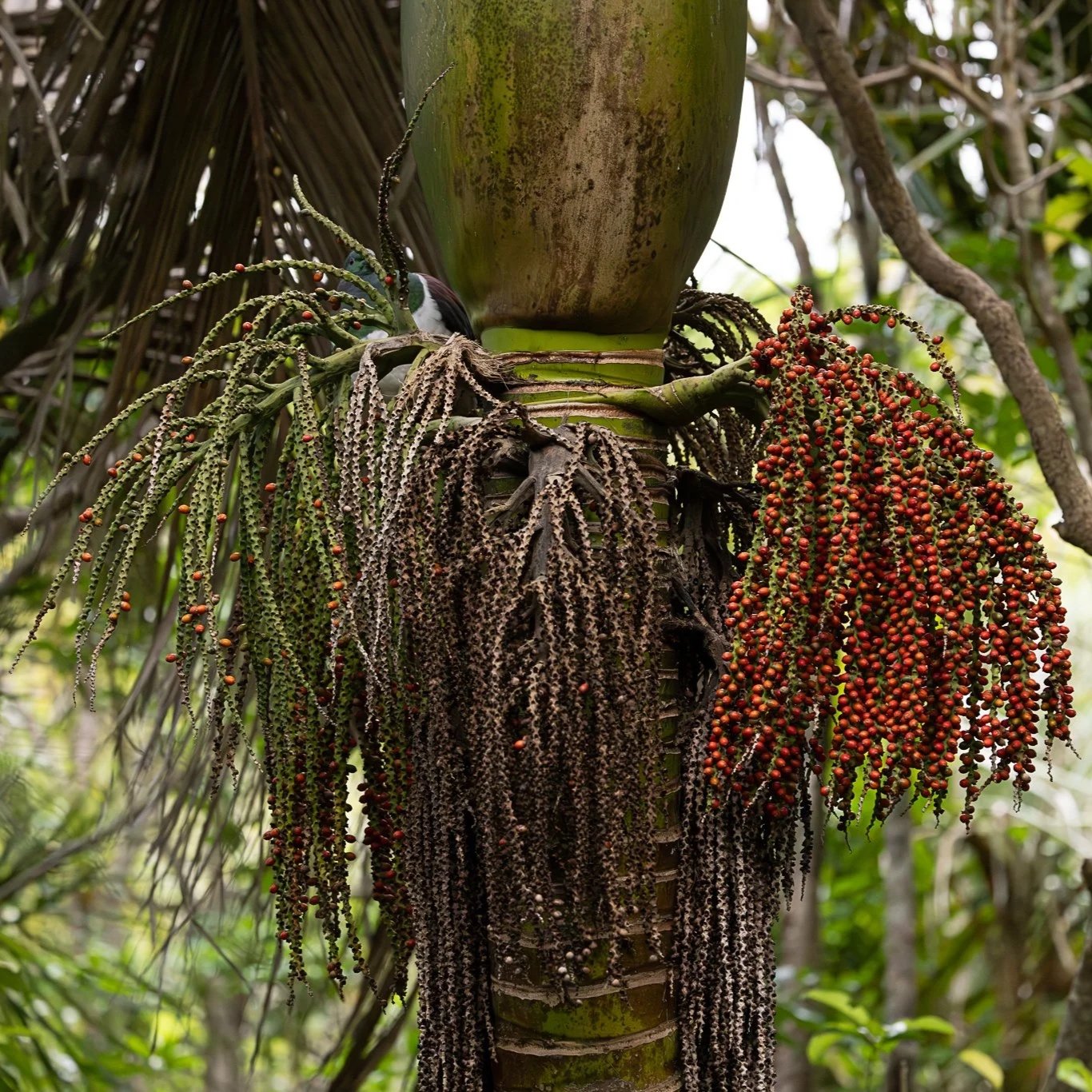
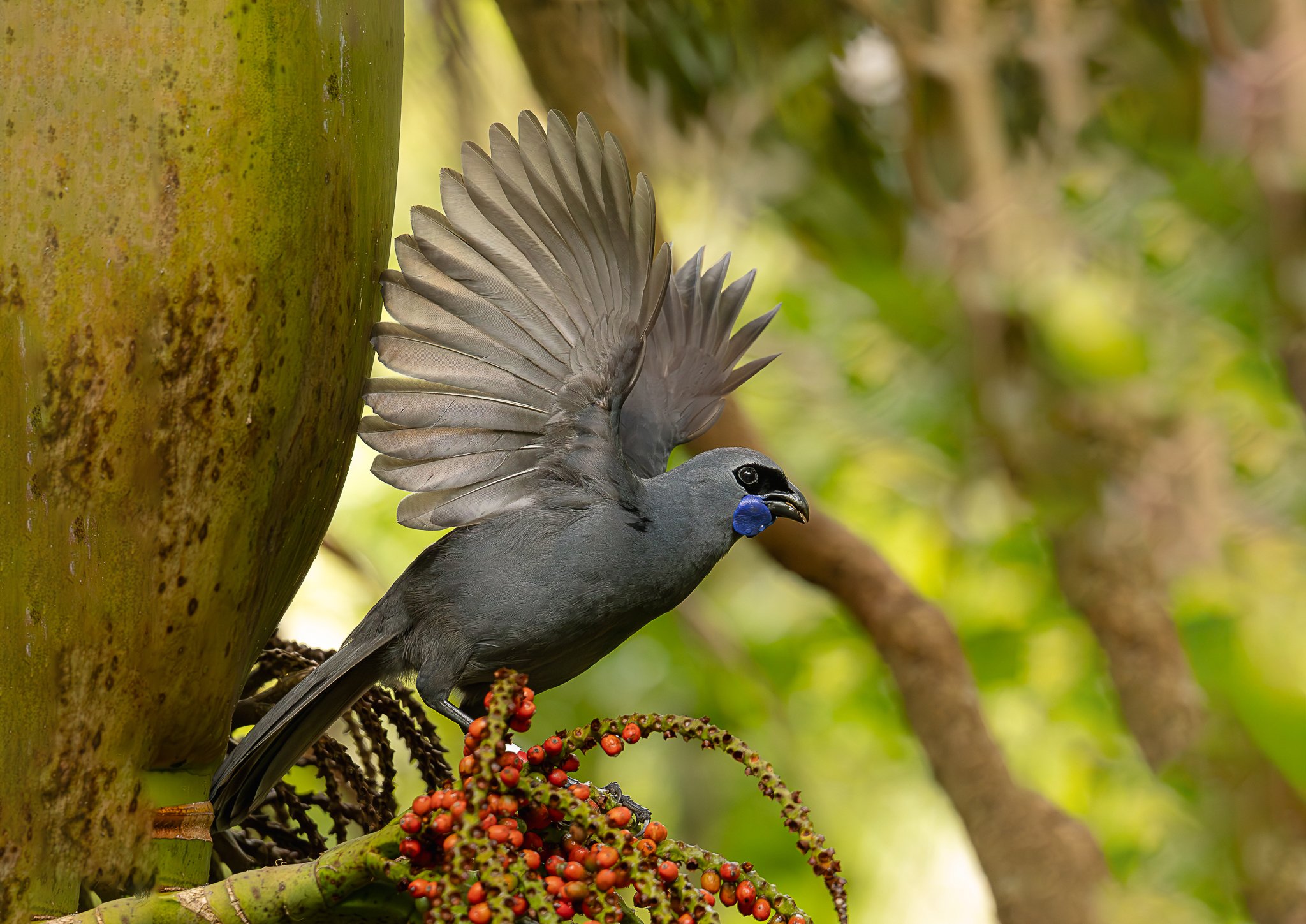
Hemi the Kōkako feeding on Nīkau Palm berries high in the canopy. [1/1250, f/7.1, ISO 12,800]
In October 2025, I had the privilege of spending three nights on Tiritiri Matangi Island, a destination that had long been on my bucket list. Although I had previously visited the island on a day trip, that short visit meant I missed some of the experiences that make the island truly special, such as the dawn chorus and the nocturnal wildlife. During that earlier trip, I had also narrowly missed seeing one of the species I was most hoping to encounter: the kōkako. My only previous sighting of this remarkable bird had been a brief glimpse high in the canopy on Kapiti Island. Alongside the kōkako, kākāriki were another species at the top of my list for this visit. So, I had high hopes for this trip as you might be able to tell!
Before sharing my personal experiences from the trip, it is worth taking a moment to appreciate the remarkable history of Tiritiri Matangi Island and the extraordinary conservation work that has transformed it into what it is today. Located in the Hauraki Gulf, approximately an hour by boat from central Auckland, the island has undergone one of New Zealand’s most inspiring ecological restoration projects. In 1971, the farming lease on the island was withdrawn and Tiritiri Matangi was subsequently designated a recreational reserve. By that time, much of the island had been cleared during the 1800s for cattle and sheep farming. The land had become heavily compacted, dry, and only small fragments of native bush remained.
Recognising that natural regeneration alone would not be sufficient to restore the island’s ecosystem, a more hands-on conservation approach was adopted. Between 1984 and 1994, an extraordinary 280,000 native plants were planted by mainly volunteers to help restore habitat and reconnect the remaining patches of bush. This ambitious restoration effort was further strengthened in 1993 with the successful eradication of kiore (Pacific rats), allowing the island to become a pest-free sanctuary. Tiritiri Matangi now stands as a powerful example of what dedicated conservation work and community involvement can achieve.
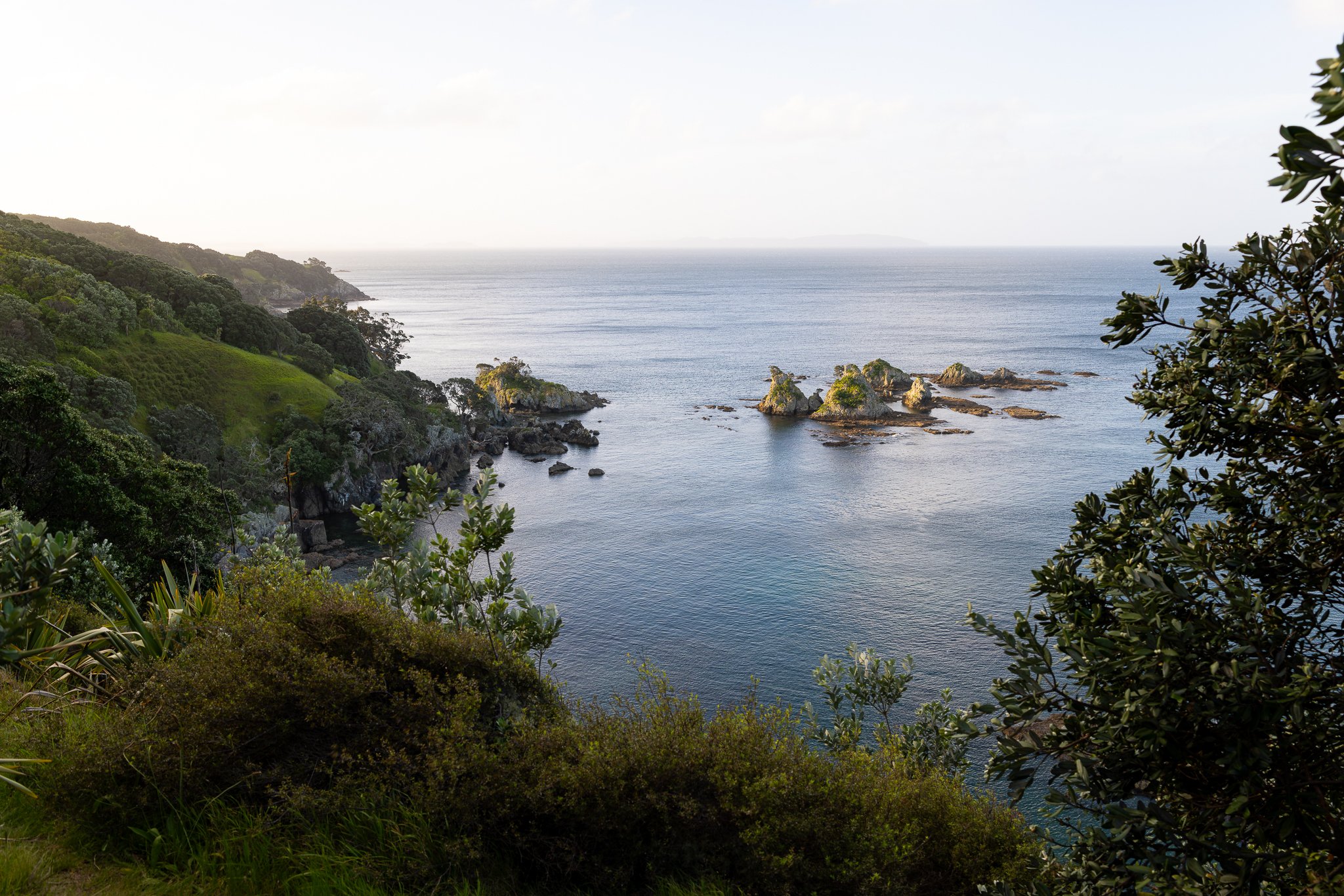
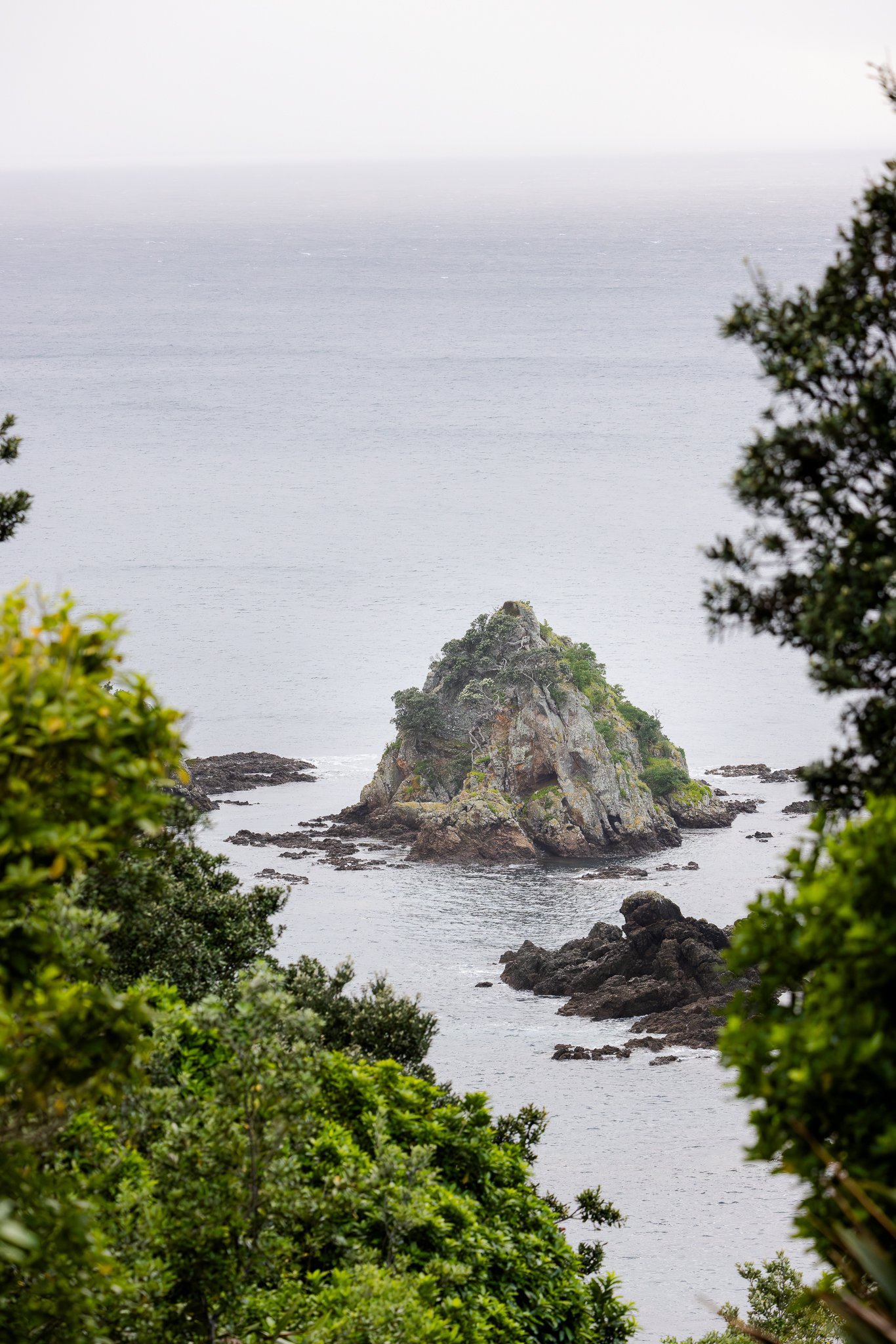
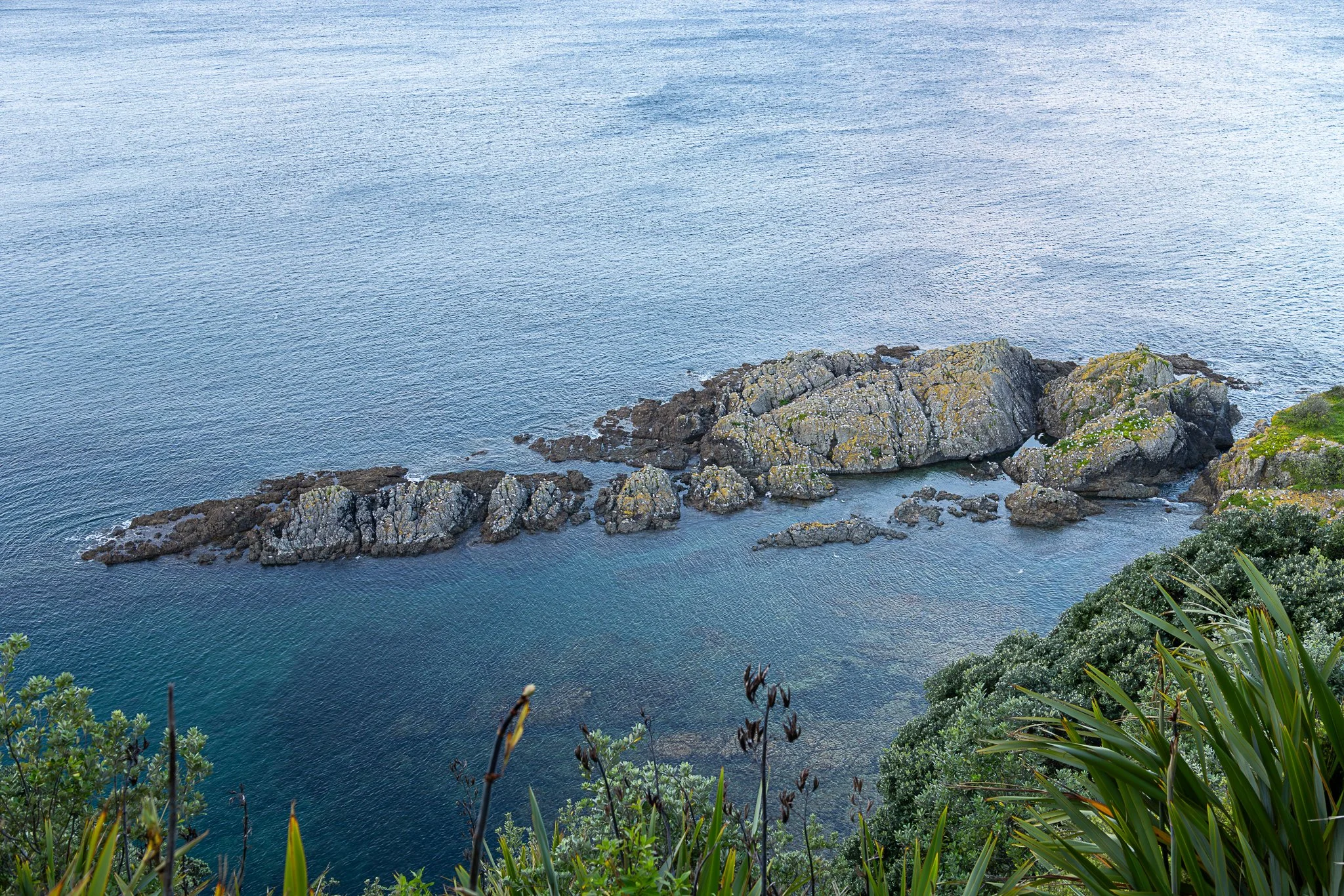
One of the dramatic cliff views on the Northeastern side of the island. I never got tired of these scenes. [1/50, f/9, ISO 125]
Today, around 60% of Tiritiri Matangi Island is covered in regenerating native forest. This remarkable transformation has created suitable habitat for a wide range of wildlife, allowing 26 species to naturally colonise the island without human assistance. Among these are three species of burrowing seabirds and the elusive spotless crake. In addition, conservation efforts have seen the deliberate reintroduction of eleven bird species, two reptiles, and one invertebrate species now that the recovering forest canopy can support them.
Many of these reintroduced populations have flourished to the point where they now play an important role in wider conservation projects. Some species have been translocated from the island to help establish or strengthen populations elsewhere in the country. One example is the transfer of hīhī to Shakespear Regional Park. However, restoration efforts on Tiritiri Matangi are far from finished. As the forest continues to mature and trees develop the large cavities required for nesting, there are hopes that species such as kākā and other tree-hollow nesters may one day return and breed here. Looking further ahead, there is also potential for the future reintroduction of bats, along with additional reptile and invertebrate species.
The island’s success story has become a powerful model for community-led conservation in New Zealand. The restoration of Tiritiri Matangi has not only revitalised the island’s ecosystem, but has also inspired similar initiatives throughout the Hauraki Gulf and across other parts of the country.
Now, back to my trip.
I had planned my visit from Sunday through to Wednesday. Timing the trip this way meant that on Monday and Tuesday I would largely have the island to myself, as no public ferries operate on those days and there are no day visitors. While a handful of people were also staying on the island, including DOC staff, researchers, volunteers, and a few other visitors, there were long stretches of the day when I wouldn’t run into anyone.
I was fortunate to have a fellow photographer join me for the first day of my stay. Having visited the island several times before, they were able to show me some of the key locations and help me familiarise myself with the layout of the tracks and habitats. Our main goal for the day was to try and find kōkako, but we were also keen to scout out promising locations that I could revisit throughout the remainder of my stay.
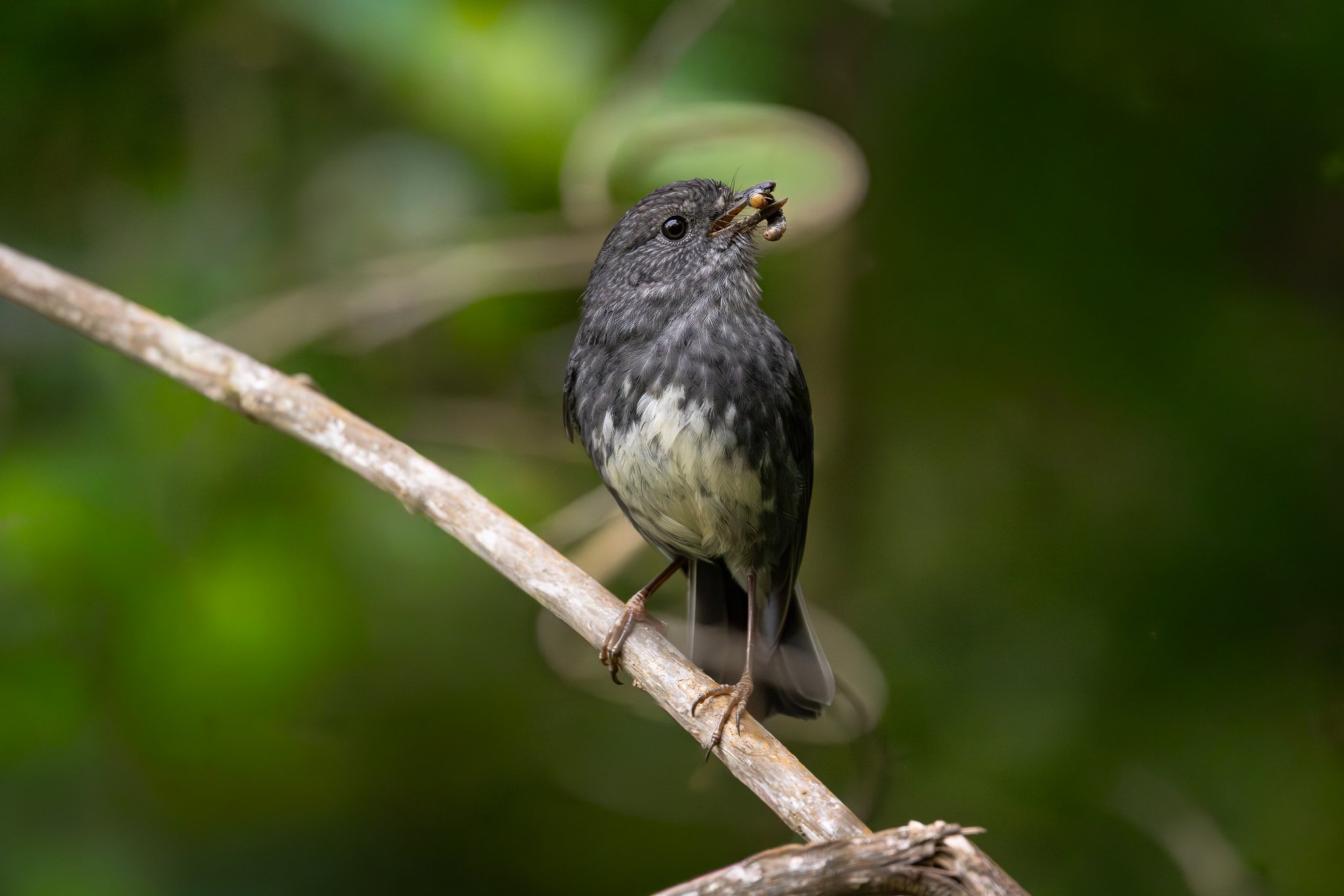
Although we were treated to some wonderful photographic opportunities with toutouwai (North Island robin), along with plenty of tūī and korimako (bellbirds), and a few fleeting glimpses of kākāriki, the strong southwesterly winds made wildlife activity more subdued than usual. The conditions certainly reduced our chances of encountering some of the species we had hoped to see during the limited time we had that day. Even so, the time spent exploring the island’s tracks and habitats left me feeling optimistic about the days ahead, and I was eager to return to several of the locations we had scouted.
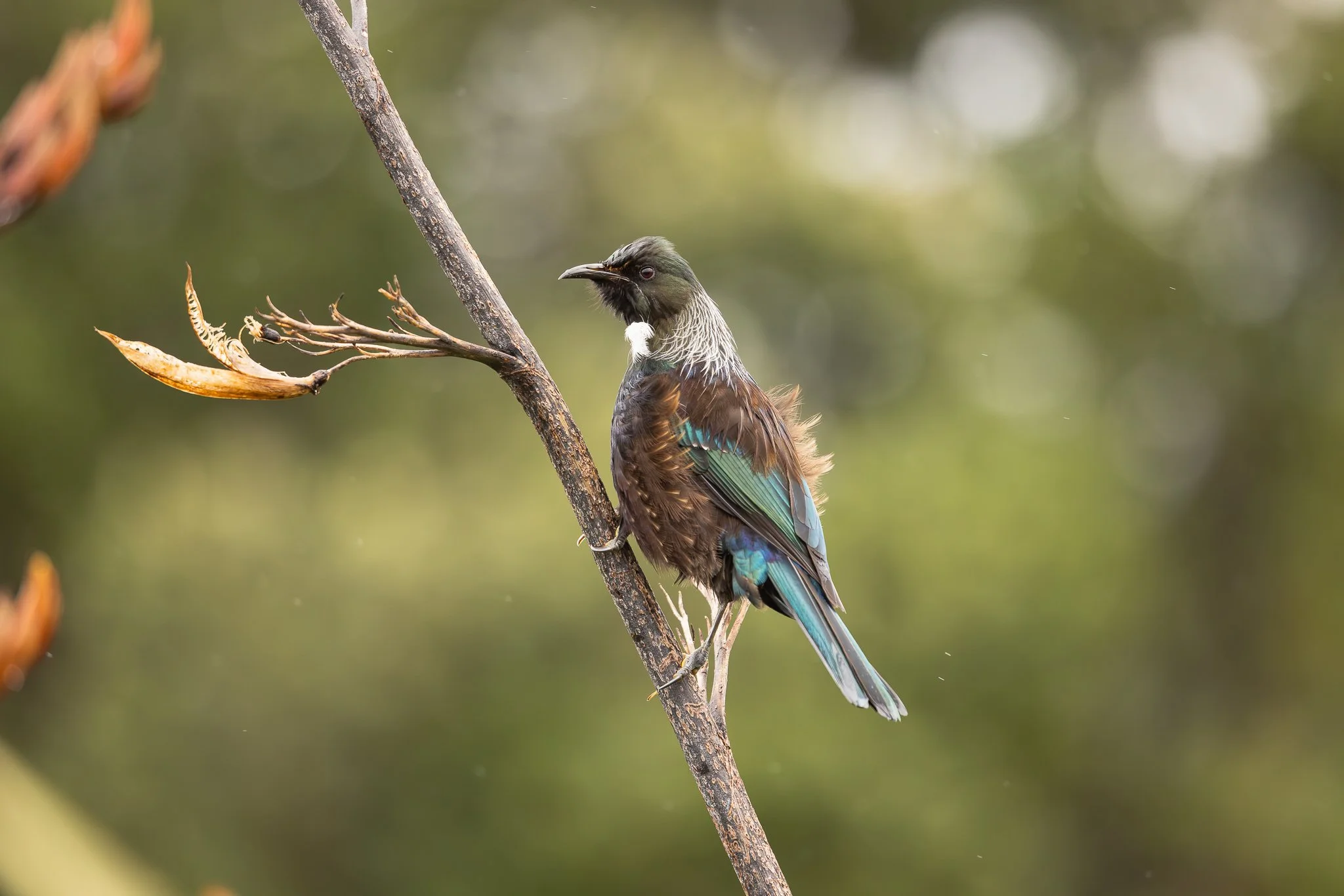
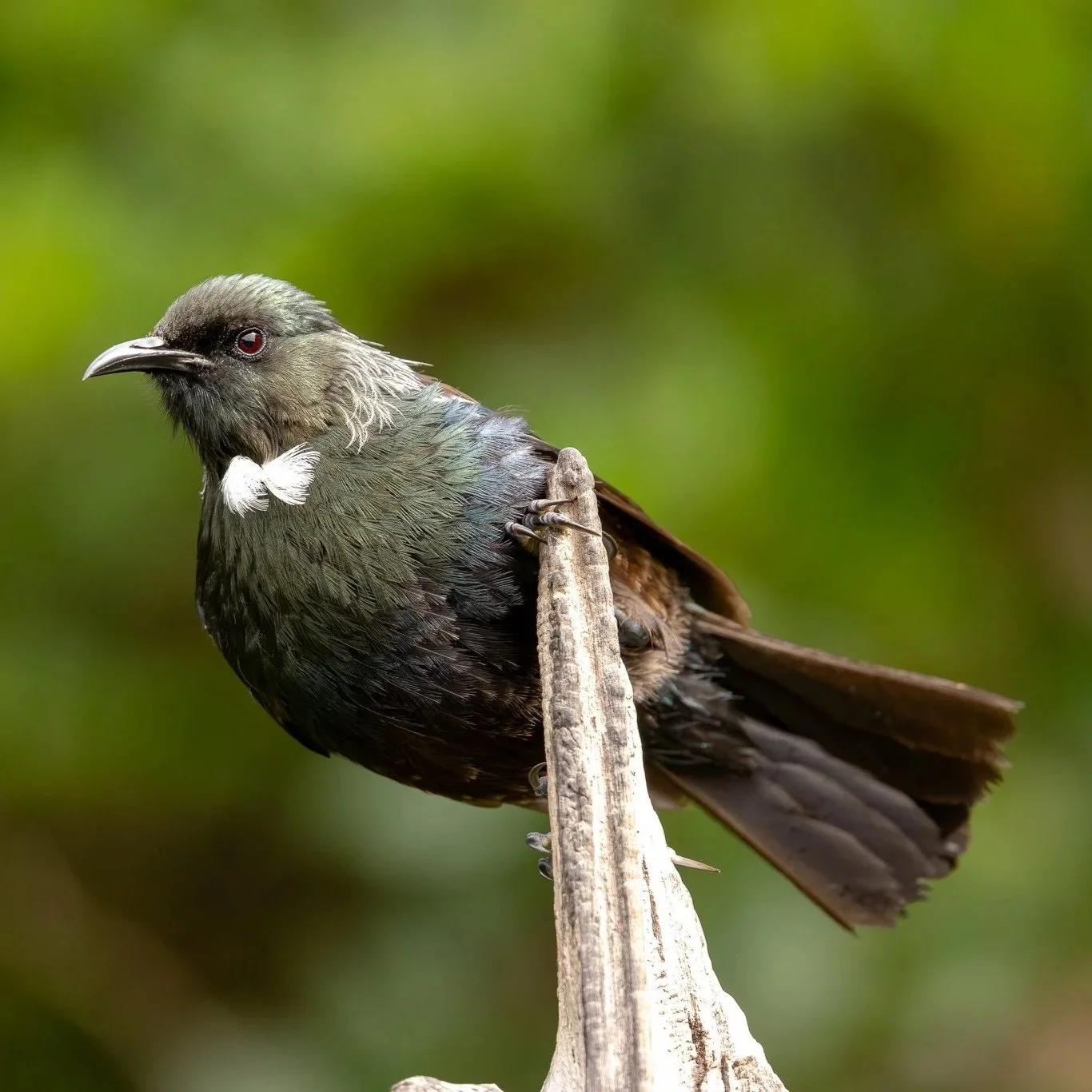
Tūī are among the most abundant bird species on the island and are frequently observed in areas with high densities of harakeke. [1/1250, f/7.1, ISO 3,200]
Before the first day came to an end, however, there was one species I was determined to try and spot- the kiwi pukupuku (little spotted kiwi). In 1993, ten birds were translocated to Tiritiri Matangi Island, and by the 1994–95 breeding season they had already been recorded breeding successfully. A further six birds were later introduced to help strengthen the population, which is now estimated to be around 100 individuals.
Not knowing the best locations to search for this cryptic species, I expected the task to be challenging. To my surprise, it took less than five minutes before I encountered my first little spotted kiwi. I soon found that the most effective way to locate them was by walking slowly along the track, stopping frequently to listen for the soft puffs of air made as the birds forage for invertebrates in the leaf litter. This technique proved successful again a few nights later when I located the second, and final kiwi of my trip.
Even beyond these sightings, simply spending time outdoors after dark was an incredible experience. I sat quietly listening to the calls of kiwi pukupuku and ruru echoing through the valleys below. This offered a rare glimpse into what much of Aotearoa’s nighttime environments would’ve been like before introduced predators dramatically altered our ecosystems.
With the day visitors now gone, Monday and Tuesday allowed me to explore the whole island without the crowds. I woke before 7 a.m. each morning to make the most of the quiet hours. One of my regular destinations was a large patch of Muehlenbeckia, where I hoped to photograph mātātā (fernbirds). These birds are notoriously difficult to capture on camera. They often call from deep within dense vegetation and are most active at dawn and dusk, making them challenging subjects for photographers. Although I didn’t manage the images I had hoped for, it gives me another reason to return to this incredible place. Fortunately, these same areas were also frequented by kākāriki, tūī, and korimako, so there was never a shortage of photographic opportunities.
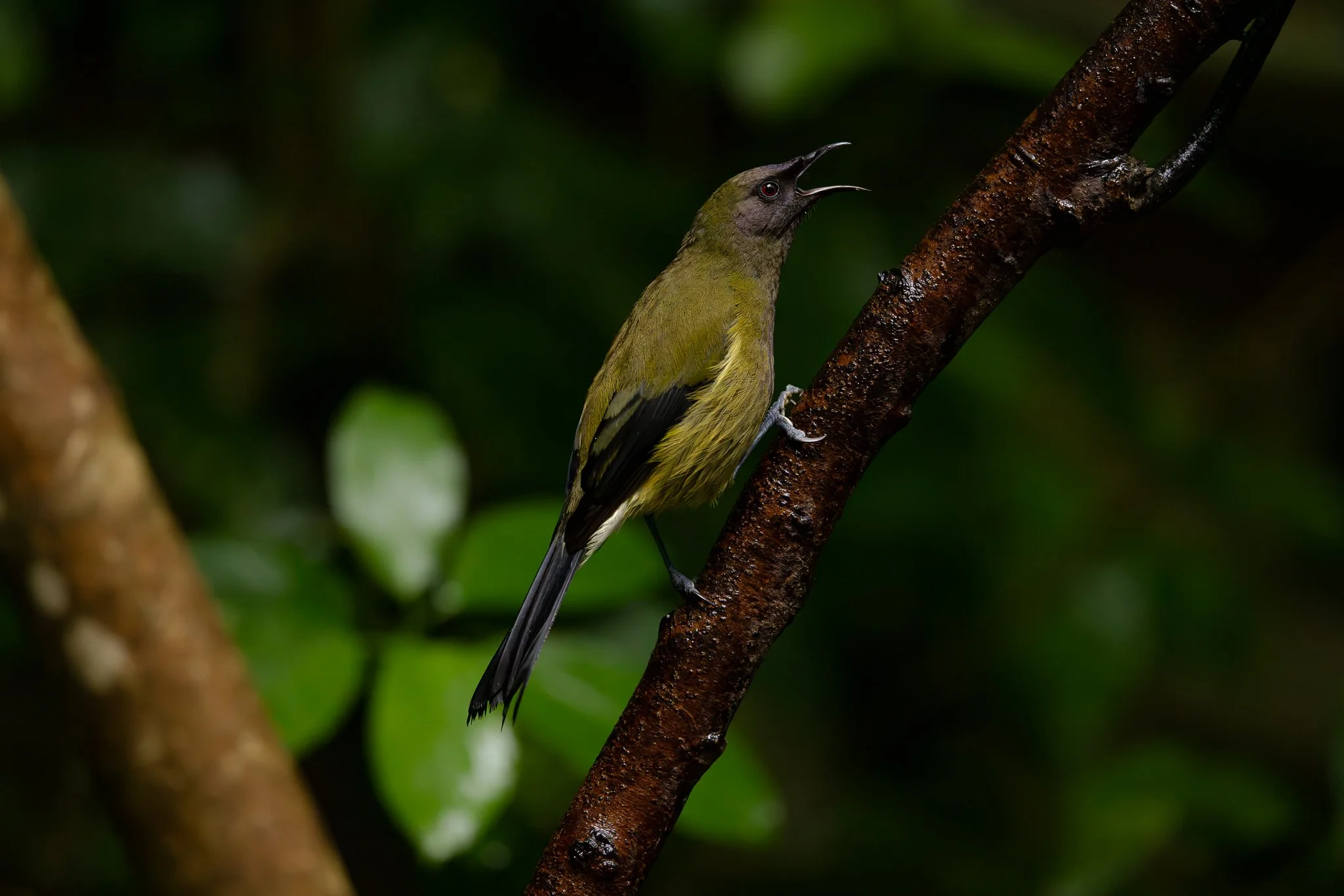
One of the many korimako (bellbird) that frequented the sugar feeders on the island. [1/500, f/5.6, ISO 12,800]
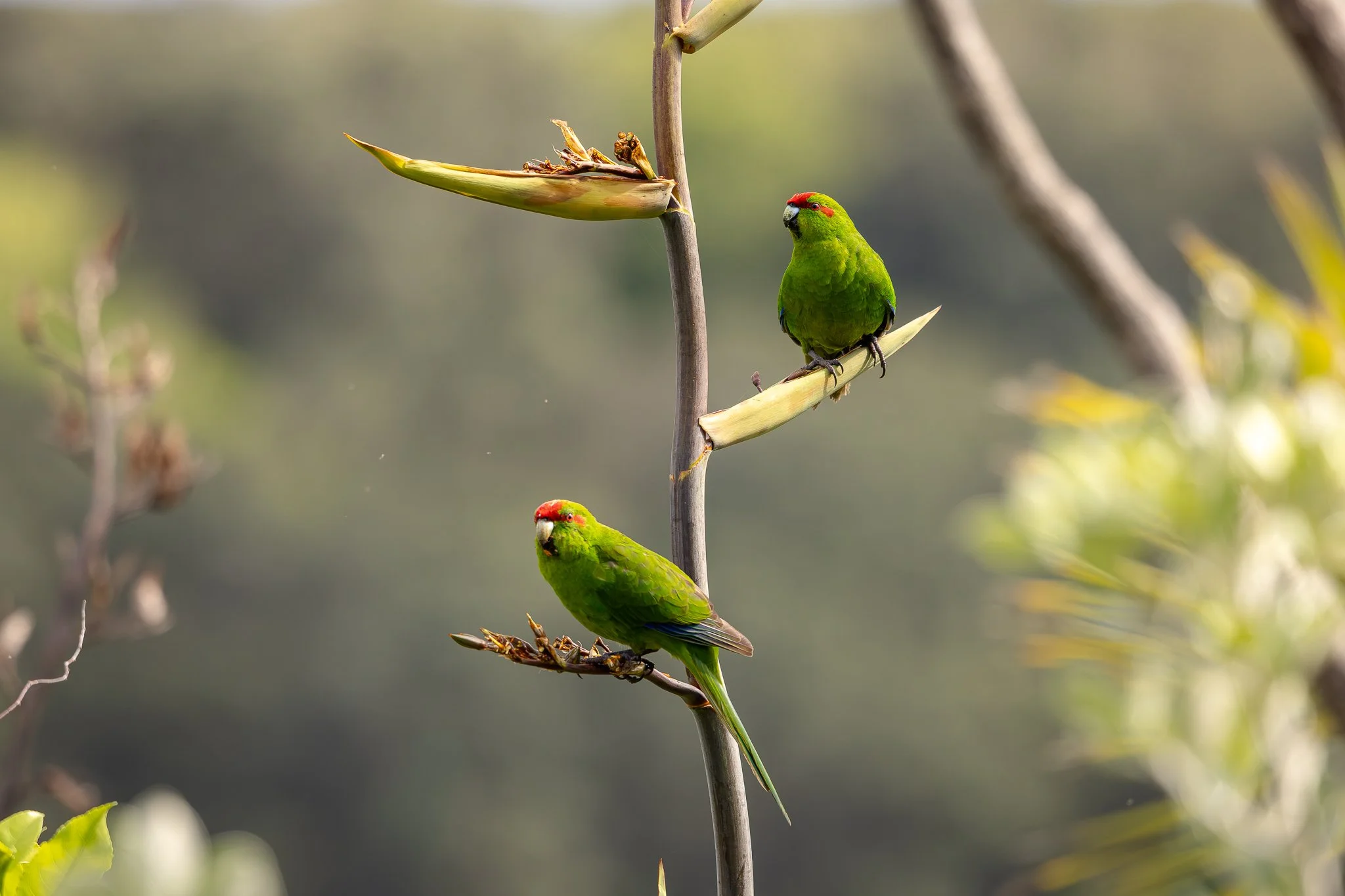
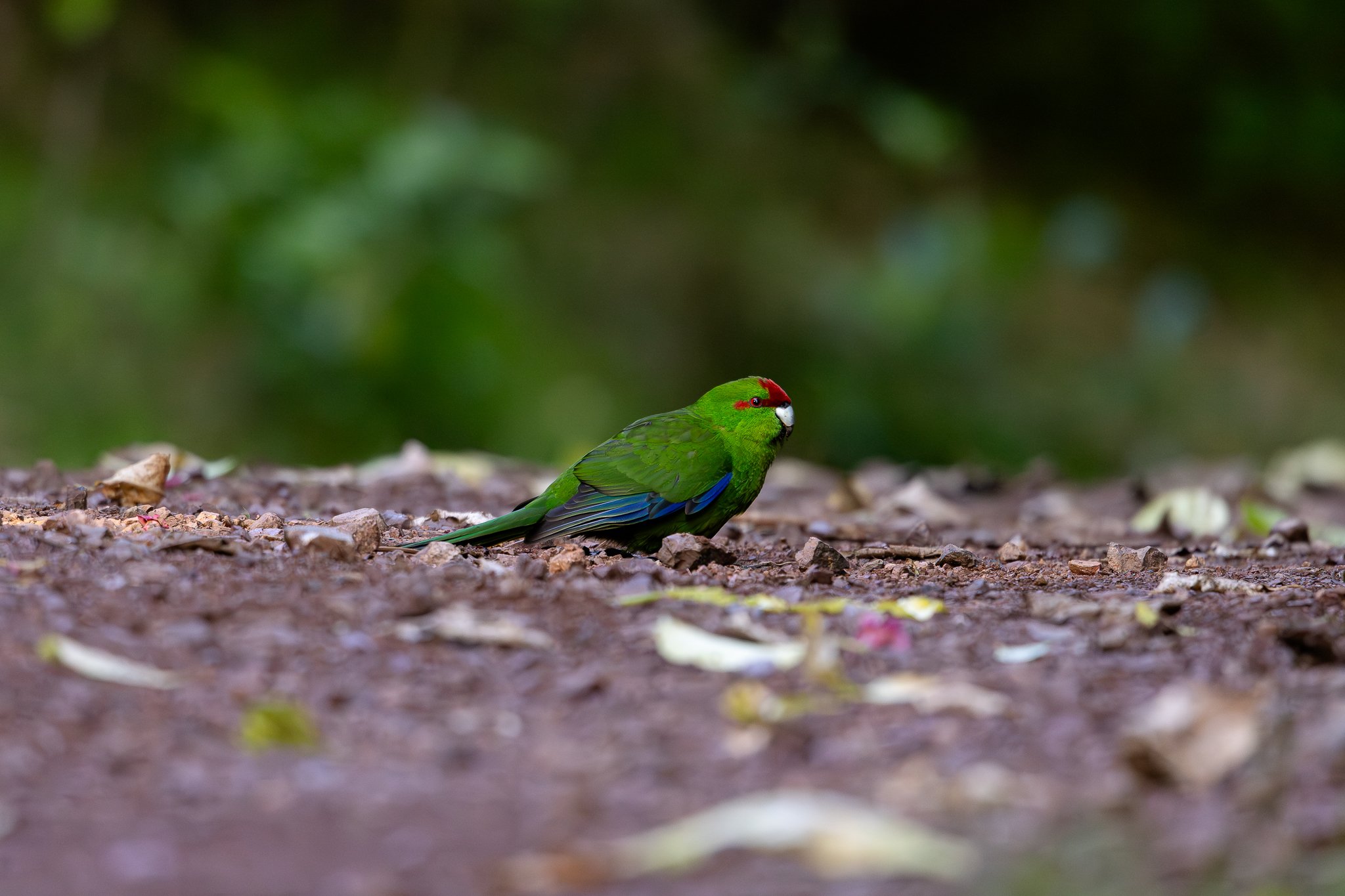
Another key goal for the trip was photographing kākāriki. On the mainland, I have been fortunate enough to photograph both yellow-crowned and orange-fronted parakeets (which I wrote about in my blog post on my kākāriki karaka trip), but the red-crowned subspecies had continued to elude me. Unfortunately, that trend initially seemed to continue on the island as well. I ran into numerous pairs, but they were often feeding on the track and would fly off as soon as I rounded a corner. Other times, I would spot them just as they launched from what would have been the perfect perch.
After several days of patience and observing their behaviour, I began to have more success. I focused my time in areas where harakeke (flax) was beginning to flower, hoping that these locations might attract birds and offer strong photographic opportunities. My persistence paid off on the final full day of my stay. As I rounded a corner on the track, I noticed a branch move slightly out of the corner of my eye. When I looked closer, I realised a kākāriki was perched perfectly at eye level, and having a nap! After spending days trying to photograph these birds, I couldn’t believe my luck. It was a fleeting but rewarding encounter, and I was thrilled to capture the images I had been hoping for.
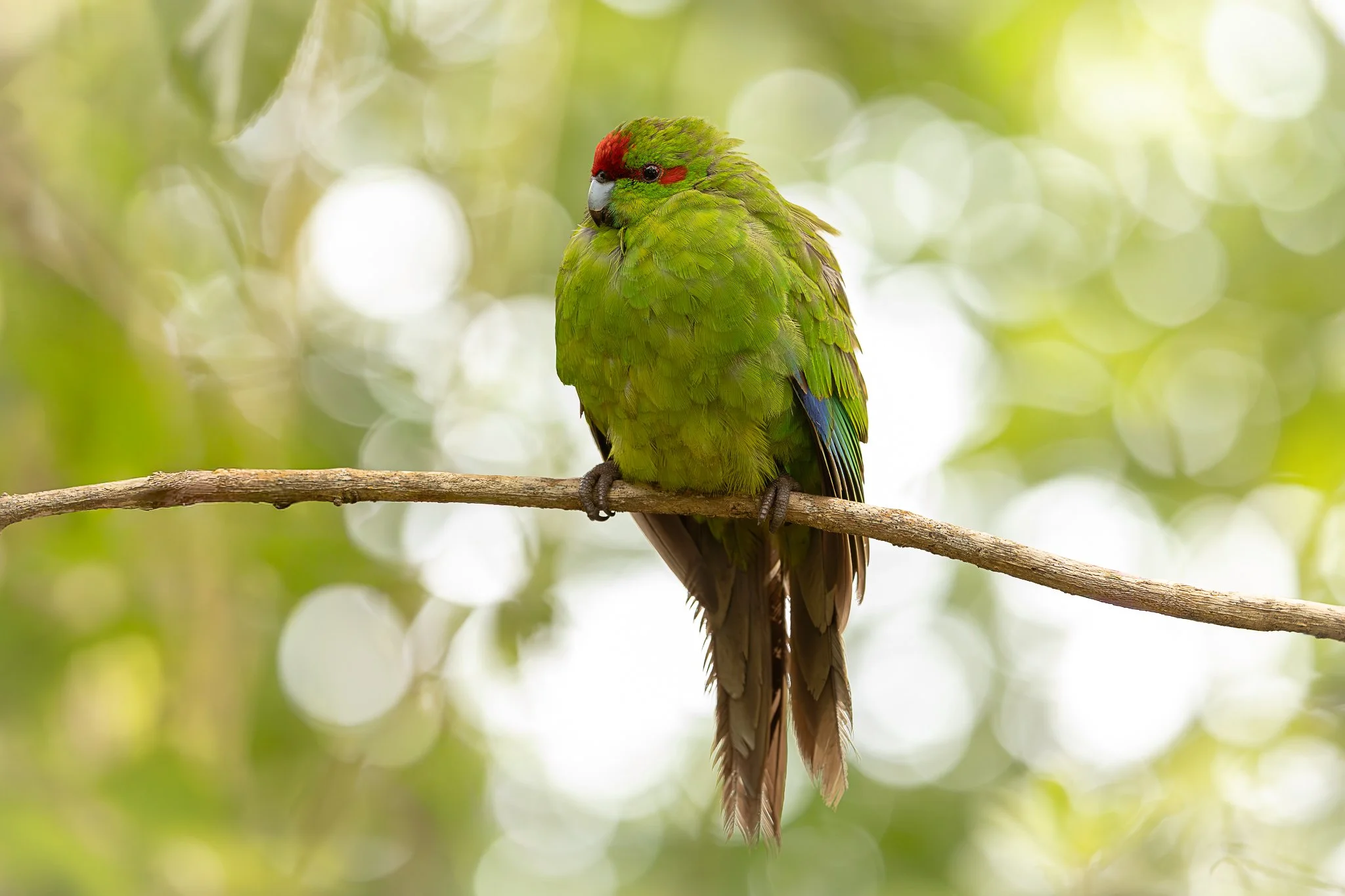
Capturing this image of a kākāriki was a major goal for the trip, and I’m delighted that it all came together successfully. [1/125, f/5.6, ISO 5,000]
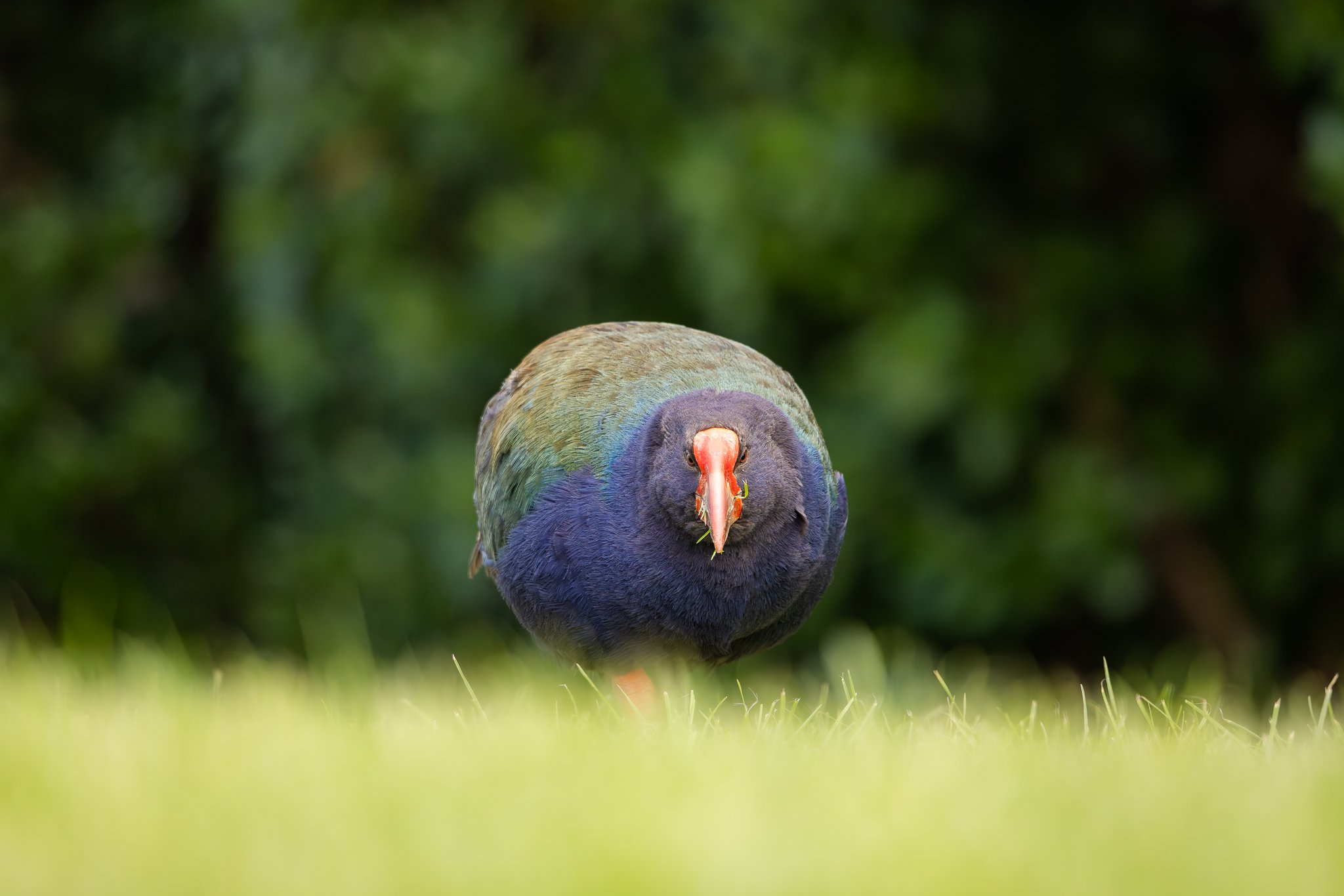
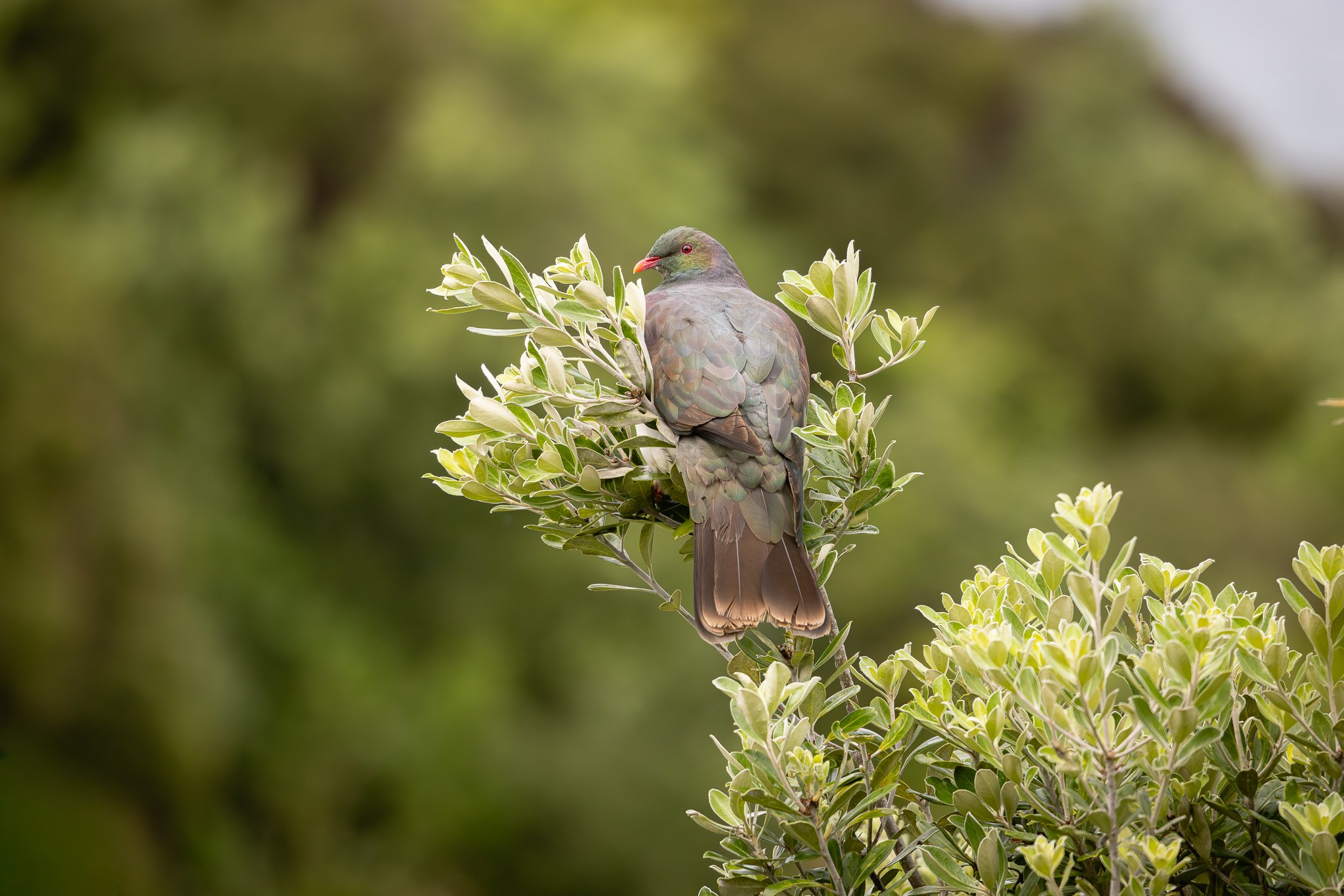
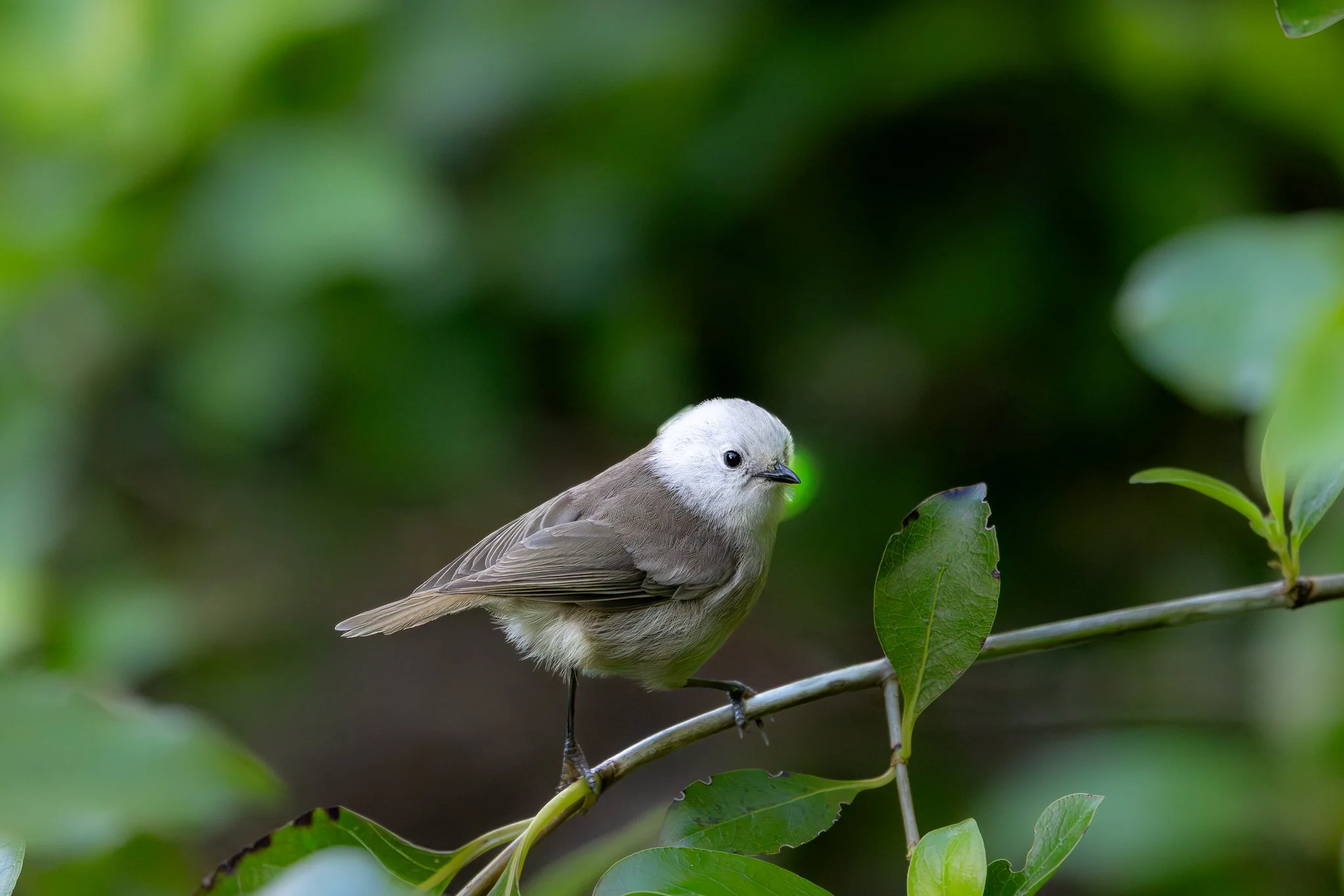
Many factors add to making Tiritiri Matangi Island such a special place, but its predator-free status is undoubtedly one of the most significant. In the absence of introduced predators, wildlife on the island can behave as they once did, free from predation pressures of these pests. One of the most striking examples of this, is the number of species that confidently spend time on the ground. On the mainland, many at-risk birds avoid the forest floor because of the constant threat posed by introduced predators. On the island, I observed kōkako, kākāriki, pōpokotea (whitehead), tītīpounamu (rifleman), korimako (bellbird), hīhī (stitchbird), and kererū all feeding or moving about on the ground. Watching these birds behave so naturally and without fear, was an incredible reminder of what New Zealand’s ecosystems used to be like.
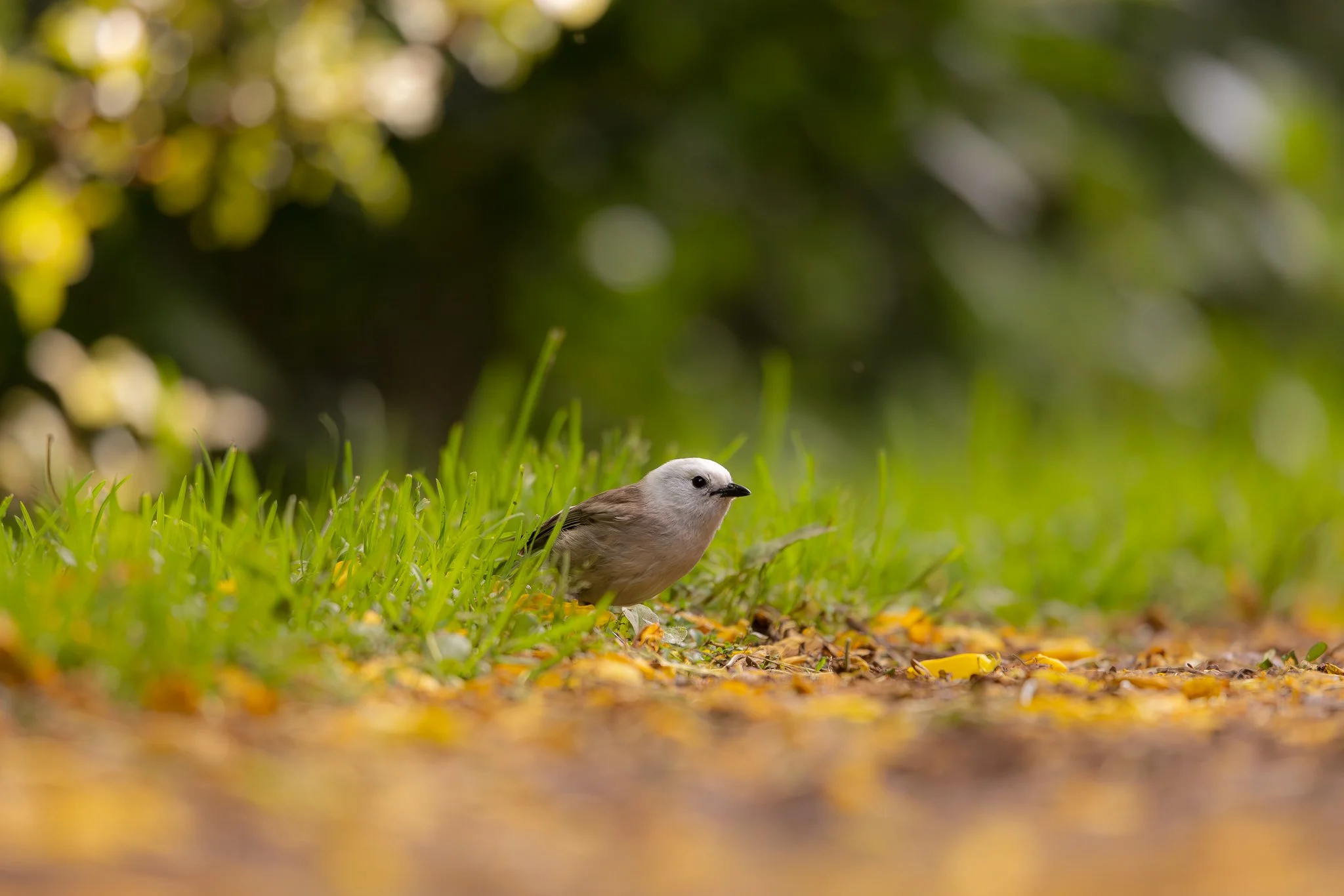
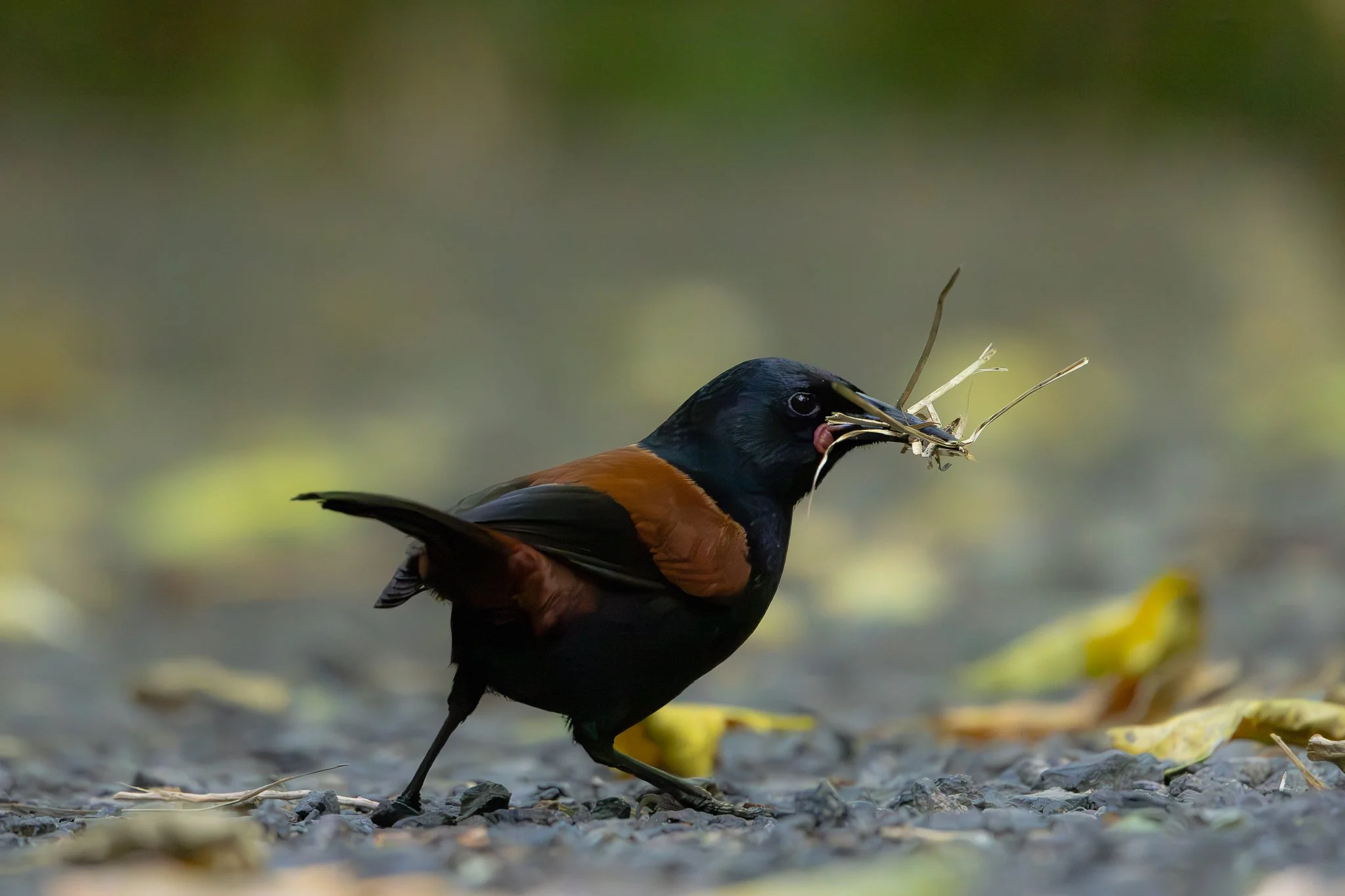
If you are planning a visit to Tiritiri Matangi Island, I would strongly recommend spending some time at the sugar-water feeders. These artificial feeding stations provide supplementary nutrition for several of the island’s bird species and act as excellent viewing points for visitors. While they can be remarkably noisy places, the activity around them is truly something special. At times, I spent up to an hour watching tūī, korimako, and hīhī dart rapidly between the feeders. Sometimes there were more than forty birds moving through the area at once, the sound of their wings rushing through the air as they zipped past, sometimes so close that you could feel them brush by. For photographers and bird enthusiasts alike, these feeders are fantastic places to settle in, watch the behaviour unfold, and just soak in nature’s beauty.
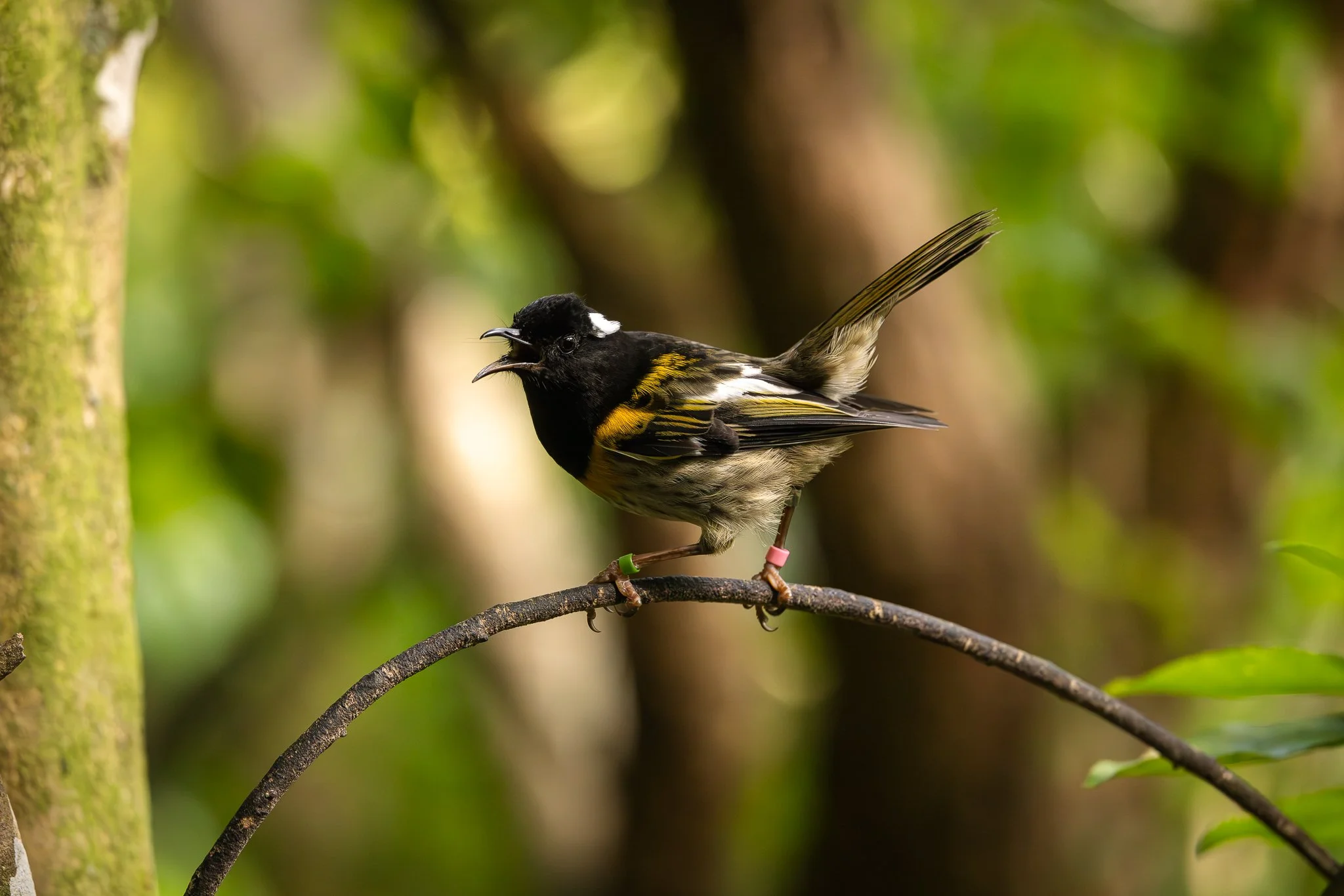
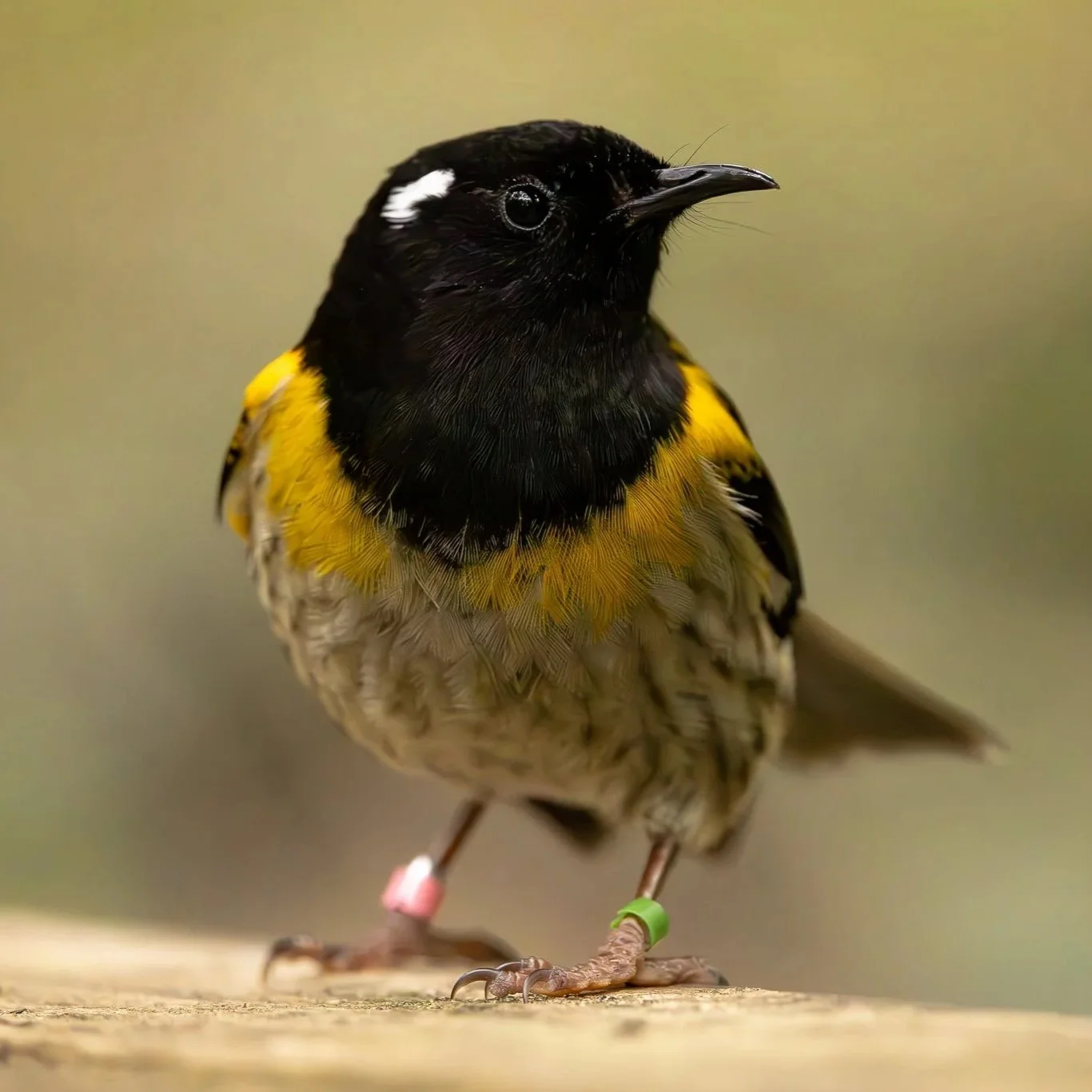
This particular perch was discovered on the first day of my trip, and I knew I would need to revisit it multiple times to try and capture an image of one of the many hīhī that frequented the nearby sugar feeder. [1/2,000, f/5.6, ISO 12,800]
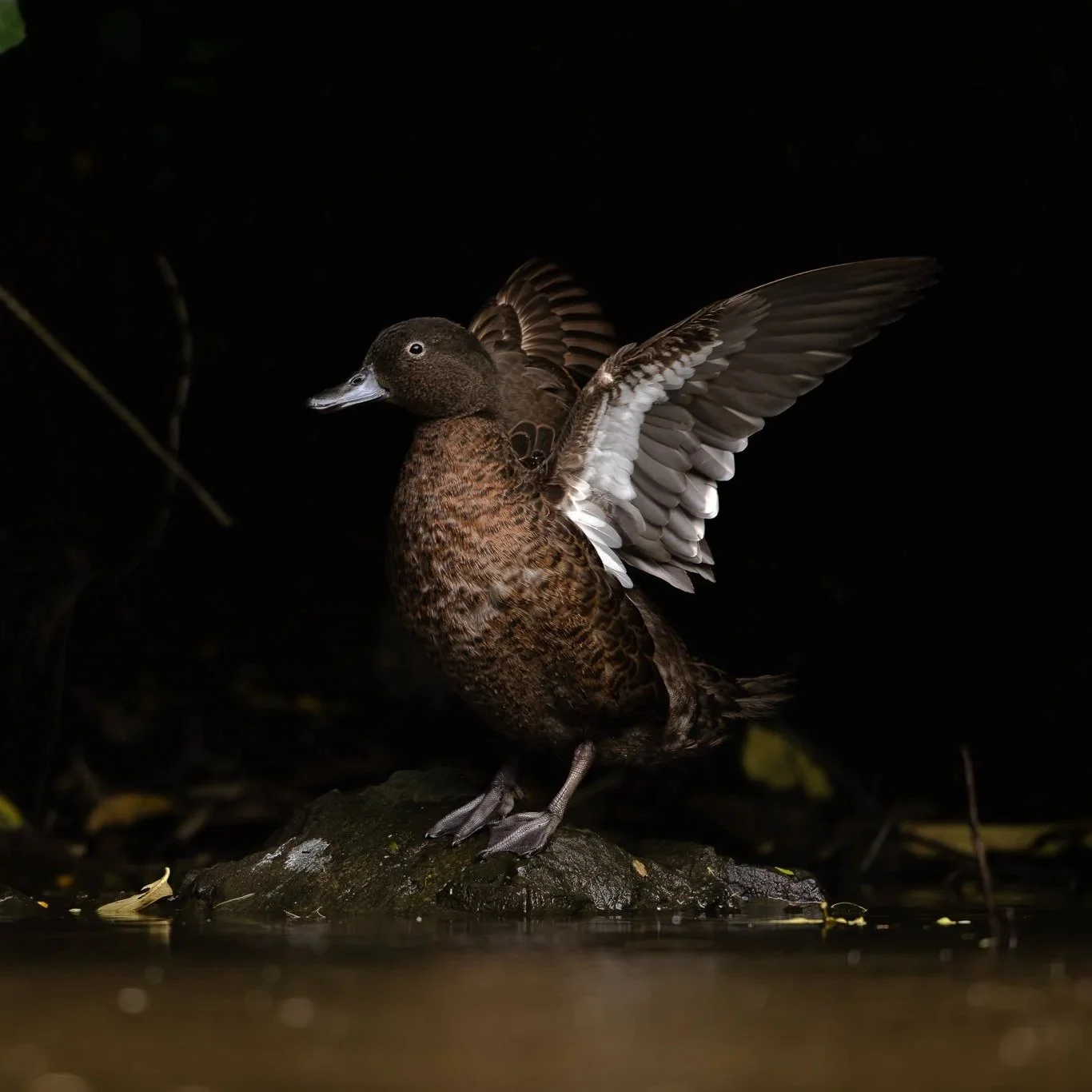
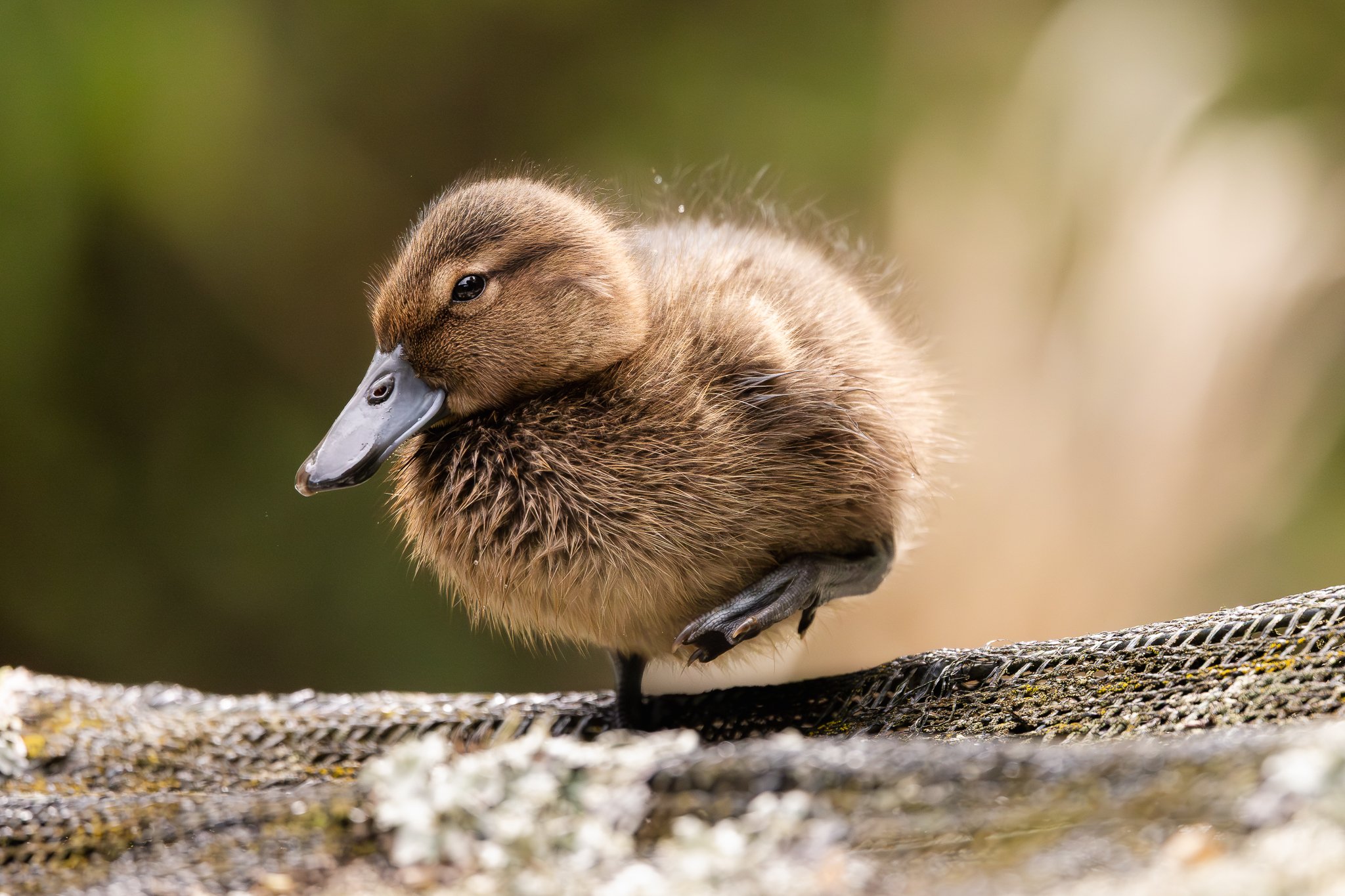
Another must-visit location on the island is the network of small dams and ponds. These quiet spots offer the chance to observe pāteke (brown teal), New Zealand’s rarest waterfowl species, which are thriving on the island thanks to the predator-free environment. During my visit, I was fortunate enough to spend several hours watching a family group that included a pair of ducklings. After patiently sitting nearby for about an hour, the adults gradually became comfortable with my presence and eventually led the ducklings directly towards where I was lying on the edge of the pond. The adults began preening less than two metres away which was a remarkable and intimate wildlife encounter that I felt incredibly lucky to experience.
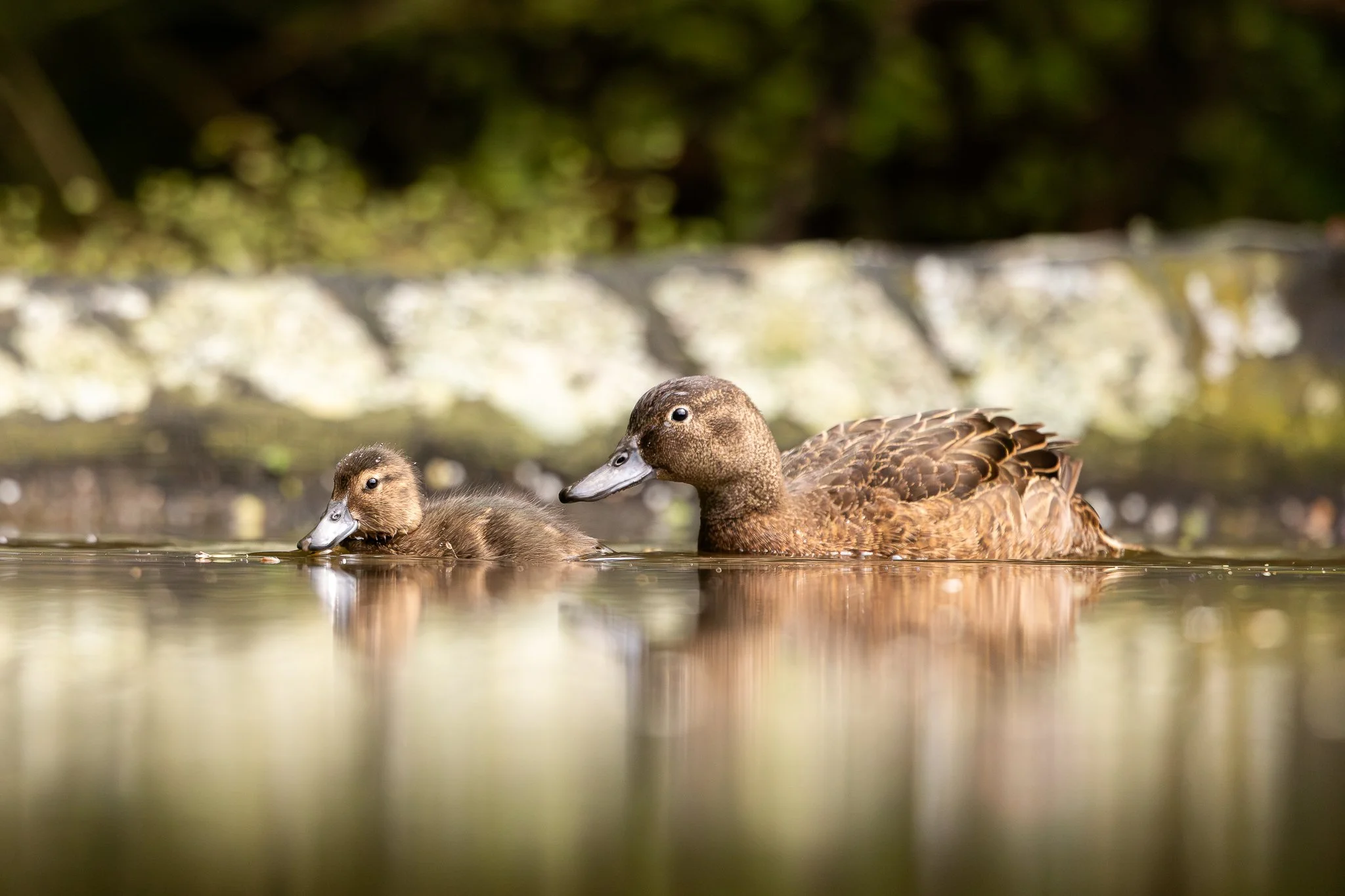
Part of a small whānau of pāteke (brown teal) residing in one of the island’s dam environments. [1/4,000, f/7.1, 10,000]
While much of my time on the island was spent exploring the tracks in search of wildlife, I also found myself constantly appreciating the island’s landscapes and plant life. Tiritiri Matangi is bordered by rugged cliffs and pristine beaches, and its recovering forest is now home to impressive native trees such as emergent tōtara, rewarewa, and kahikatea. Large pōhutukawa cling to the sides of cliff faces, while dense canopy, understory, and thriving forest floor create a vibrant ecosystem.
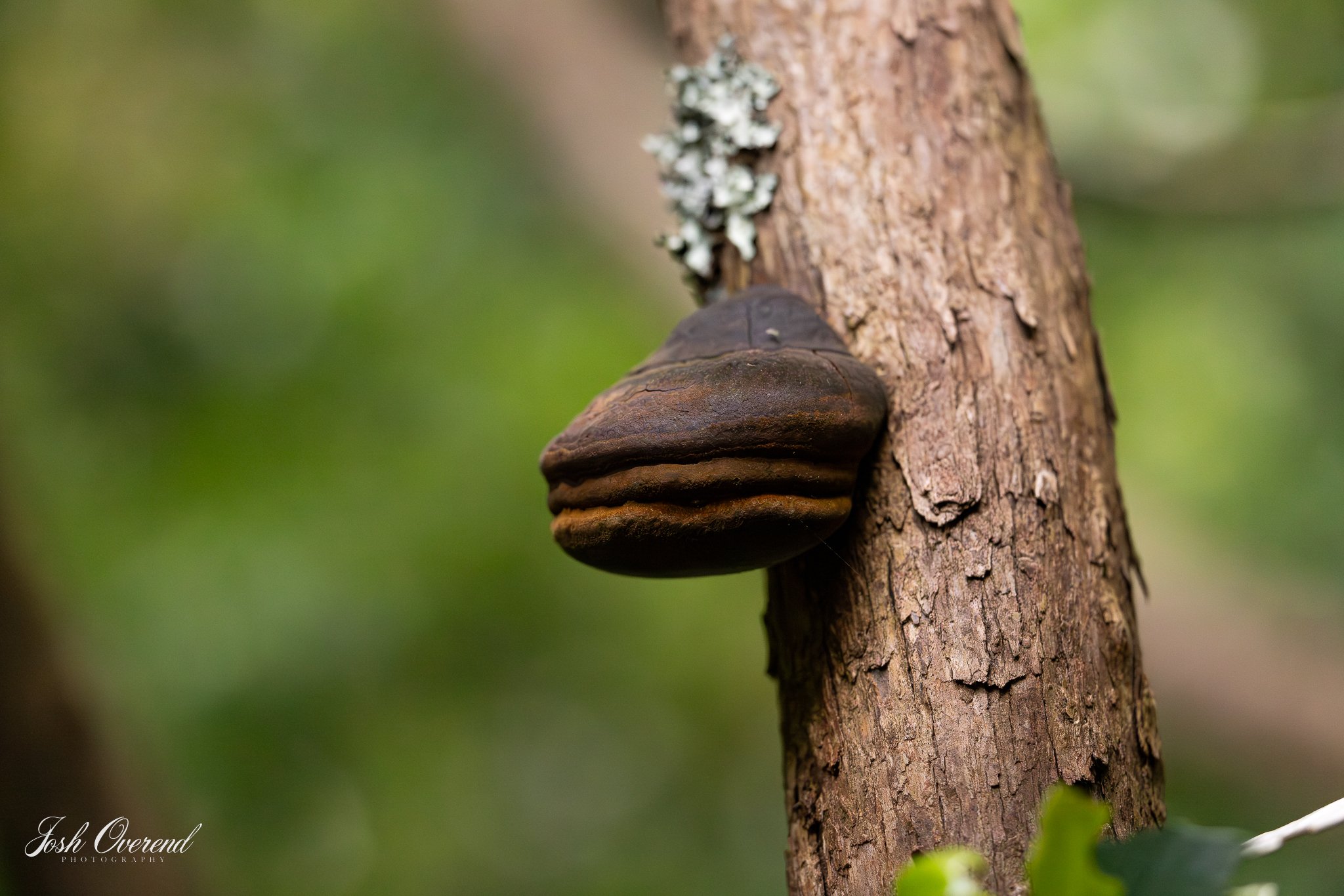
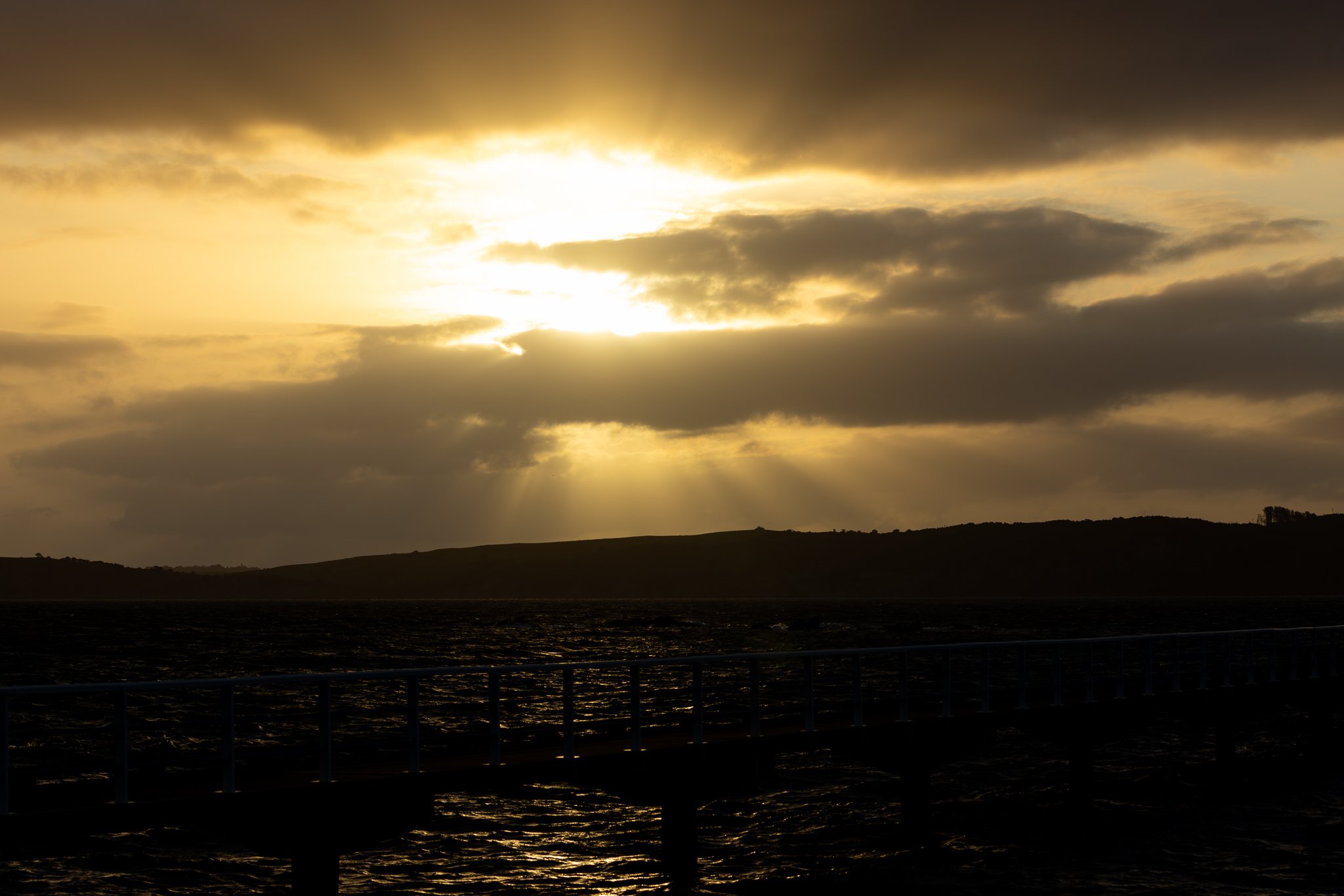
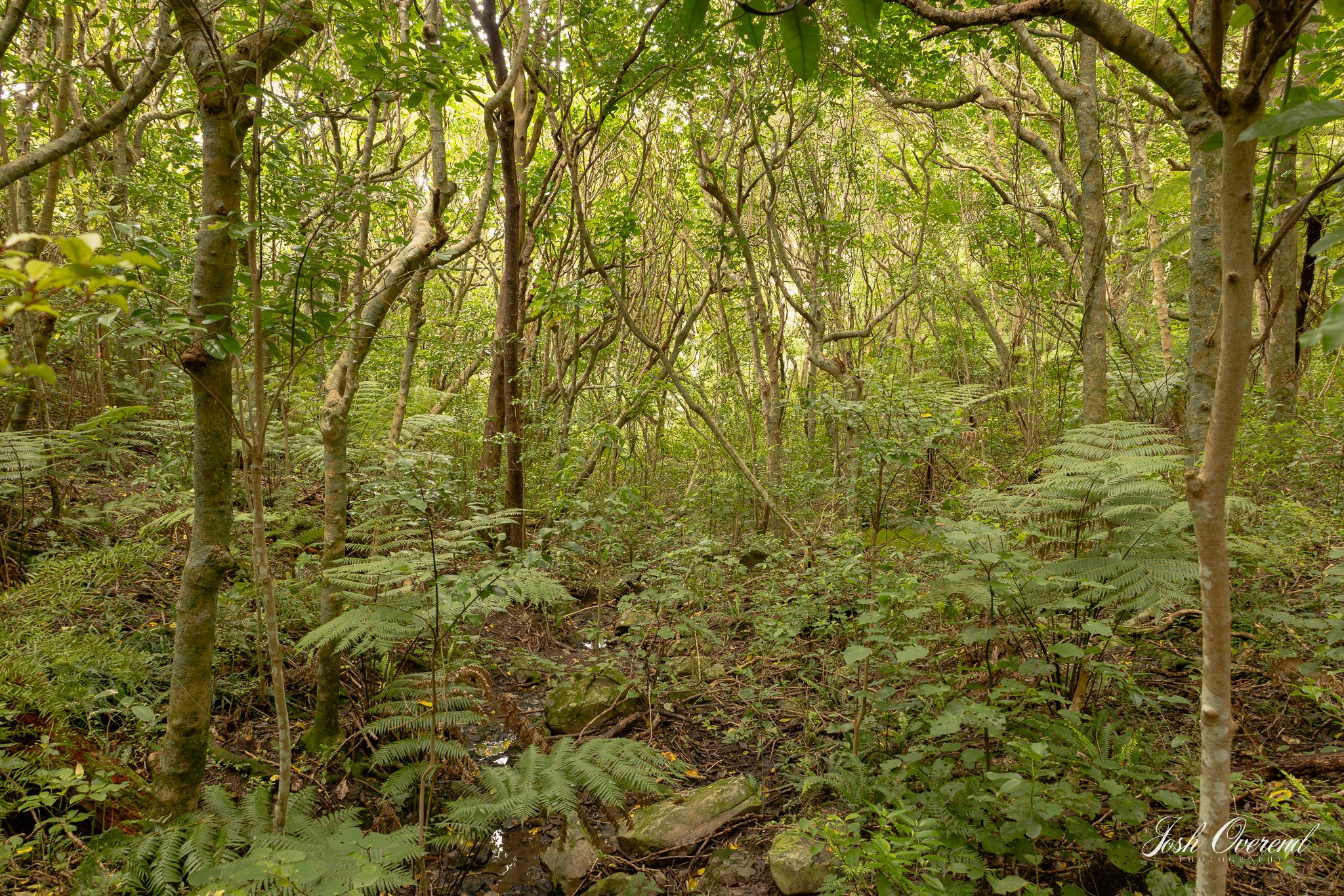
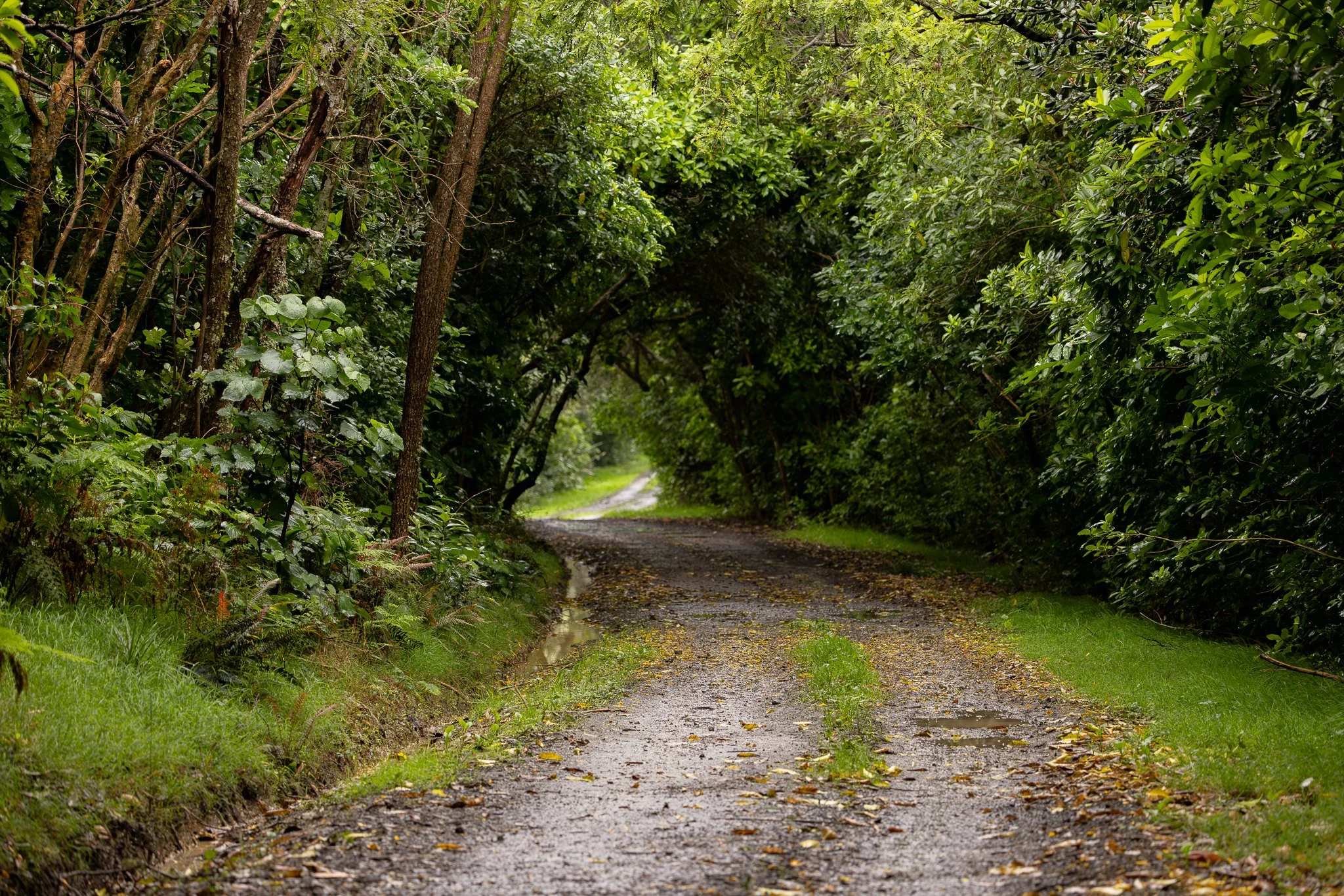
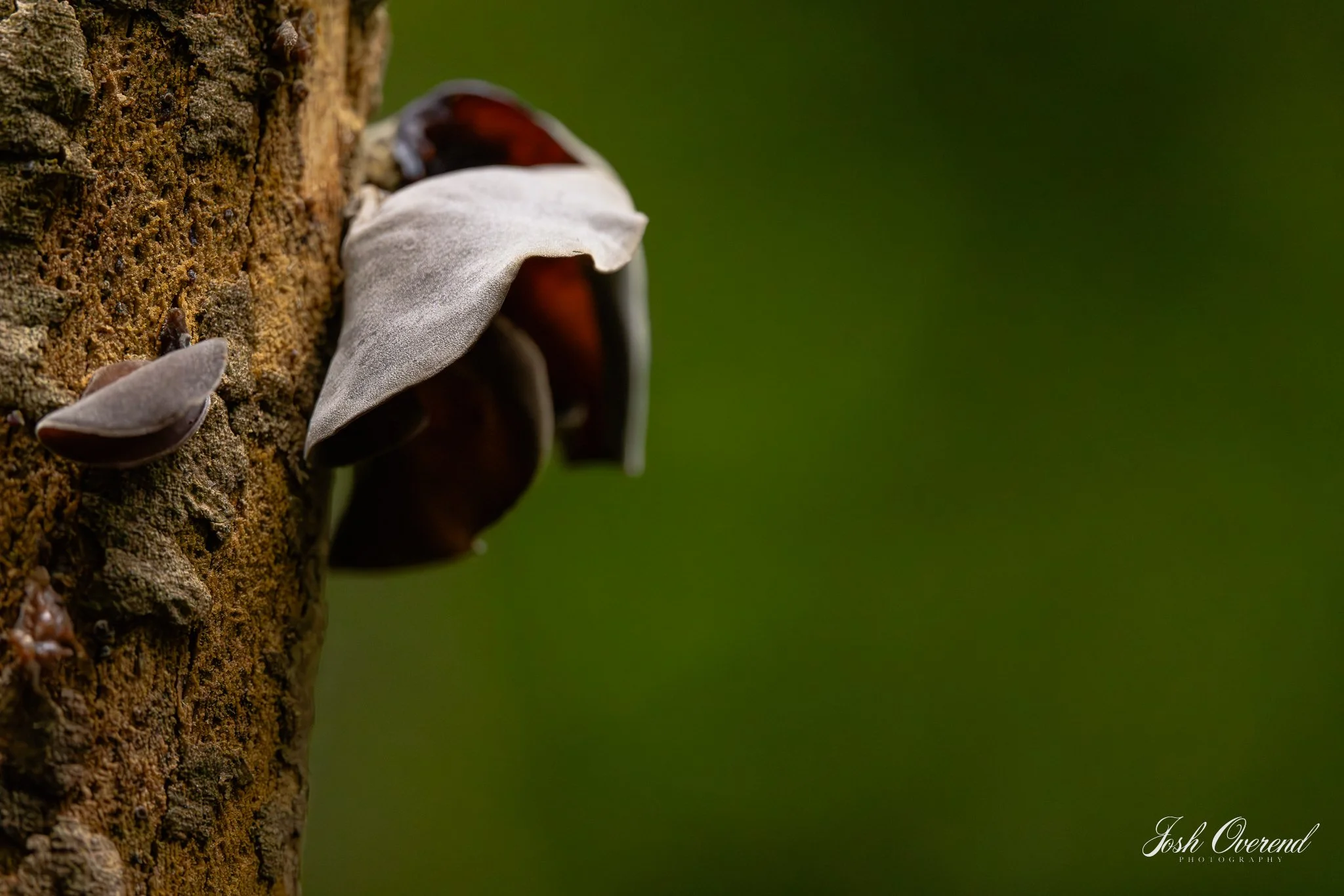
One of my favourite discoveries during my time on the island was an ancient pōhutukawa tree pictured below. This extraordinary tree is estimated to be between 800 and 1,000 years old. Over time, some of its massive branches have collapsed under their own weight, yet rather than dying, they have taken root and begun growing independently. This natural process has opened gaps in the canopy, allowing sunlight to reach the forest floor and encouraging new plant growth beneath. The tree also provides valuable habitat, with cavities used by a variety of species for nesting. What grabbed my attention the most, was its striking and almost otherworldly appearance. Trees like this highlight that Tiritiri Matangi is not only a paradise for wildlife enthusiasts, but also a remarkable destination for anyone who appreciates the beauty and complexity our natural world.
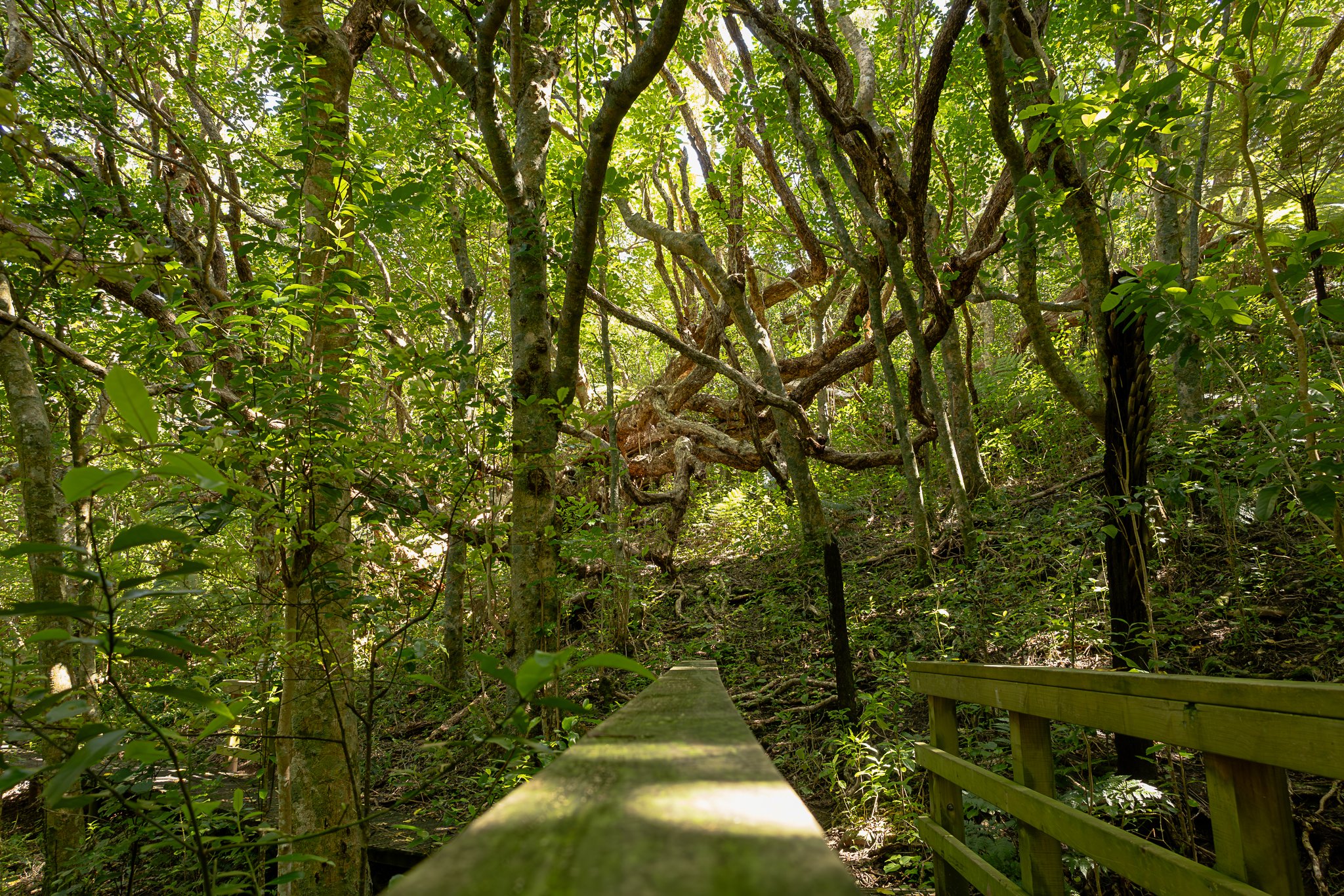
This magnificent 800–1,000 year old pōhutukawa tree immediately captured my attention, with its almost otherworldly, alien-like appearance. [1/25, f/8, ISO 1,000]
But the biggest drawcard of Tiritiri Matangi Island for me was its thriving kōkako population. During my previous visit in 2023, this iconic species had managed to elude me entirely. I did have a brief sighting in 2024 while visiting Kapiti Island, but the bird remained high in the canopy and I wasn’t able to capture any photographs. This trip therefore felt like my best opportunity yet to spend some meaningful time with these birds.
On Tiritiri Matangi, kōkako are now doing exceptionally well. The species was first introduced to the island in 1997, with additional birds translocated in 2007. These introductions were part of a conservation strategy to establish secure populations outside their shrinking mainland range, where numbers had declined dramatically due to introduced predators. In the predator-free environment of the island, the birds have flourished. Today they can be encountered relatively regularly by those willing to put in the time, and their haunting, melodic calls echo beautifully through the regenerating native forest.
Even so, the kōkako did not make things easy at first. Over the first two days I had several fleeting encounters of birds moving through dense vegetation or feeding on the ground before quietly slipping away just as I tried to position myself for a photograph. However, after spending many hours walking the island’s tracks and learning where they preferred to spend their time, my persistence began to pay off. I was fortunate to encounter one individual feeding calmly on the forest floor that seemed entirely comfortable with my presence. Later, a pair resting in a pōhutukawa tree during the middle of the day offered some wonderful photographic opportunities.
But one of my main goals for the trip was to photograph kōkako within a grove of nīkau palms.
Nīkau are an incredible species of palm. They are the southernmost naturally occurring palm tree in the world, and the only native palm species in Aotearoa. On Tiritiri Matangi, they form beautiful groves that attract many birds when their energy-rich berries ripen. I spent several hours quietly waiting in this location, hoping the “ghosts of the forest” might appear. While the kōkako initially kept their distance, the wait was far from uneventful. Kererū, korimako, hīhī, and even a tītīpounamu all visited the grove while I sat watching and listening.
Then, on my final full day on the island, my patience was finally rewarded.
Thanks to the incredibly dedicated kōkako research team working on the island, I later learned that this individual is named Hemi. He and his partner, Te Rangi Pai, are regular visitors to the nīkau grove, and I felt extremely fortunate to spend around an hour quietly observing the pair as they went about their daily activities.
During that time, I was able to witness a variety of natural behaviours. The pair fed on the remaining nīkau berries, at times hanging upside down to reach the last fruit of the season. They moved gracefully through the forest, hopping and gliding between branches and down to the forest floor, occasionally collecting nesting material for the upcoming breeding season. Watching these interactions unfold felt incredibly special, and I could hardly believe my luck at being able to photograph such intimate moments.
By slowly moving further back up the steps along the track, I was also able to position myself at eye level with the birds. This perspective created some particularly rewarding photographic opportunities, including capturing Hemi performing the remarkable “angel wings” display to his partner. This was an unforgettable moment and one of the highlights of the entire trip.
Hemi captured performing his ‘Angel Wings’ display, courting his partner and reaffirming their bond. [1/1,250, f/6.3, ISO, 8,000]
If you are planning a visit to Tiritiri Matangi Island, I would strongly recommend staying overnight if you can. Spending at least one night on the island allows you to experience the spectacular dawn chorus and provides you with a glimpse into what Aotearoa may once have sounded like before the arrival of introduced mammals. Staying overnight also gives you the opportunity to explore the island after dark, when many of its nocturnal inhabitants become active, including kiwi pukupuku, ruru, Duvaucel’s gecko, and even tuatara.
The island’s bunkhouse provides excellent facilities that make an overnight stay both comfortable and enjoyable. Just as importantly, the staff and volunteers who work on the island are incredibly welcoming, knowledgeable, and always happy to share their insights about the wildlife and restoration efforts that make Tiritiri Matangi such a special place.
If you’d like to learn more about the island, feel free to explore the links below. If you have any questions about my trip or are planning a visit to Tiritiri Matangi Island yourself, don’t hesitate to get in touch via email. Thank you for reading!
Plan your own trip to the Island